
Raising children far from home: how migrant mothers build their own support networks
By Madre Tierra. September 30, 2026. Translated by Natalia Barrera Francis.
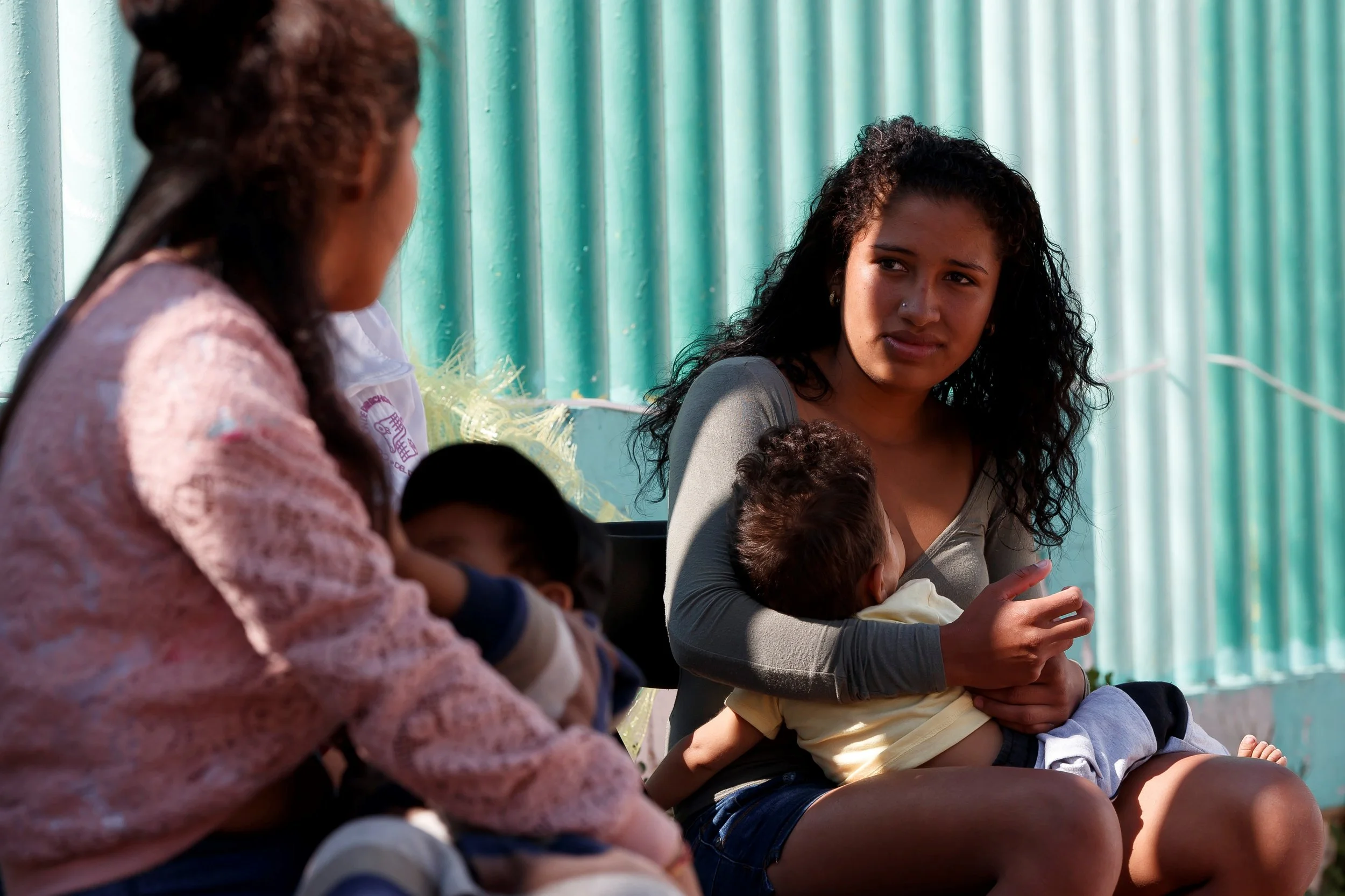
Building a new life also means building new support networks. Photo: Infobae
Moving to a new country often means starting over. And when you’re a mother, that new beginning can come with a question that isn’t always spoken out loud: Who will be there for me now?
When we live far from our home country, many of the people who once surrounded us are suddenly just a phone call, a message, or an ocean away. The grandmother who could watch our children for a few hours. The friend we could knock on the door of. The sister who always knew exactly what to say when things got complicated.
Motherhood is already a journey filled with change. Experiencing it as a migrant woman can bring additional challenges: navigating a new healthcare system, finding information in another language, learning about our rights, finding childcare, or simply finding a place where we feel supported.
That’s why having a support network as a migrant mother isn’t a luxury. It’s part of building a life in a new place and knowing you don’t have to do it all alone.
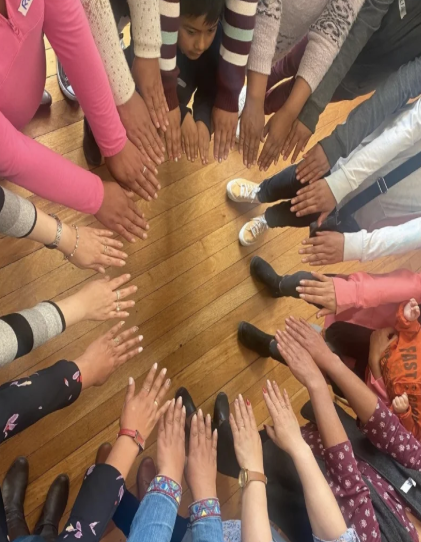
Building a new life also means building new support networks. Photo: www.humandevelopment.va
Support networks can be built, too
When we think about a support network, we often picture family and close friends. But for many migrant mothers, that network can take different forms.
It can be another mother we meet at a children’s activity. A neighbor who recommends a pediatrician. An organization that helps us understand a government process. A community group where we can ask questions in Spanish. Or simply someone who listens when we need to talk.
Sometimes, a support network starts much smaller than we imagine.
Asking for information is also a way of taking care of ourselves. So is asking for help.
And finding these spaces can make a city that once felt unfamiliar slowly begin to feel like home.
Information is also a form of support
For a migrant mother, knowing where to turn for help can make a significant difference.
It isn’t always easy to understand how the healthcare system works, what programs are available to families, where to find food assistance, how to access emotional support, or who to contact when we have questions about our immigration situation.
That’s why a support network can also be a network of information, guidance, and trusted resources. Knowing who to call, where to ask questions, or what services are available can help us make decisions with greater confidence.
In Philadelphia, several organizations and programs provide support, information, and resources for mothers, pregnant people, Latino families, and immigrant communities in areas including healthcare, parenting, food access, immigration, education, and well-being.
Among them are:
Congreso de Latinos Unidos
Offers programs related to breastfeeding, prenatal and postpartum education, parenting, and healthcare for Latino families.
Contact: 215-763-8870 · info@congreso.net · congreso.net
Puentes de Salud
Provides healthcare services and community resources for Philadelphia’s Latino community.
Contact: 215-454-8000 · admin@puentesdesalud.org · puentesdesalud.org
Esperanza Health Center
Provides healthcare services for individuals and families in the community, including bilingual care.
Contact: 215-302-3600 (medical) · 215-302-3156 (dental) · Esperanza Health Center
WIC
A nutrition assistance program for pregnant and postpartum women, infants, and children under five who meet eligibility requirements. U.S. citizenship is not required to apply.
Contact: 1-800-WIC-WINS (1-800-942-9467) · Pennsylvania WIC
JUNTOS
A community organization that supports immigrant communities and provides information and resources.
Contact: 215-218-9079 · info@vamosjuntos.org · JUNTOS
HIAS Pennsylvania
Provides legal and social services for immigrants and refugees.
Contact: 215-832-0900 · HIAS Pennsylvania
Centro Integral de la Mujer at Madre Tierra
Provides information, education, guidance, and support around women’s rights, violence prevention, and community resources.
Contact: 267-904-1086 · Centro Integral de la Mujer
Maternity Care Coalition
Its services include pregnancy support, parenting, home visiting, childcare, parent education, doulas, breastfeeding support, and behavioral health.
Contact: 215-972-0700.
Philly Families CAN
A free service from the Philadelphia Department of Public Health that connects pregnant people, parents, and caregivers with home visiting, parenting support, case management, and other services.
Contact: 215-685-4701 (interpretation available).
Services, eligibility requirements, and availability may change, so it is always recommended to contact each organization directly to confirm what options are currently available for your situation.
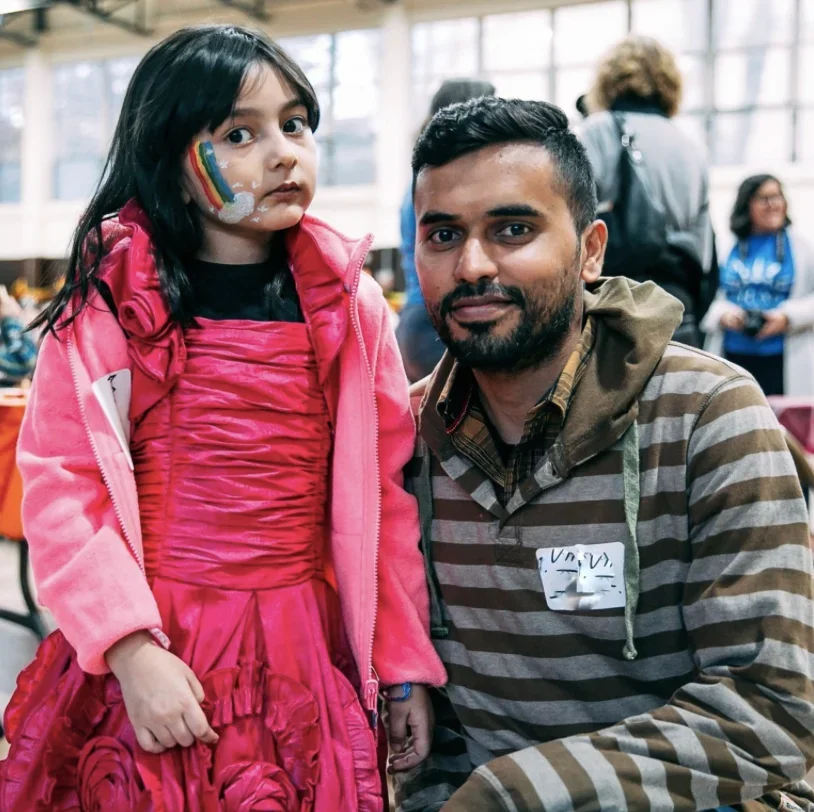
In Philadelphia, various organizations offer resources and support spaces for migrant women and families. Photo: https://hiaspa.org/
You don’t have to do it all
There is a deeply rooted idea that being a good mother means being able to handle everything at once and somehow doing it all perfectly. Solving problems, organizing, caregiving, working, parenting, and moving forward even when we’re exhausted.
But migration can also be an opportunity to question that expectation.
You don’t have to do everything alone.
Building a support network doesn’t mean you are unable to care for your family. It means recognizing that caregiving can also be collective.
This is especially important when raising children far from our families of origin. Finding people with whom we can share experiences, information, and care can help us through difficult moments and celebrate the good ones, too.
Because a support network isn’t only there when something goes wrong.
It’s also there to share a recipe, recommend a school, find an activity for our children, speak in our own language, or simply feel that someone understands what it means to raise children far from home.
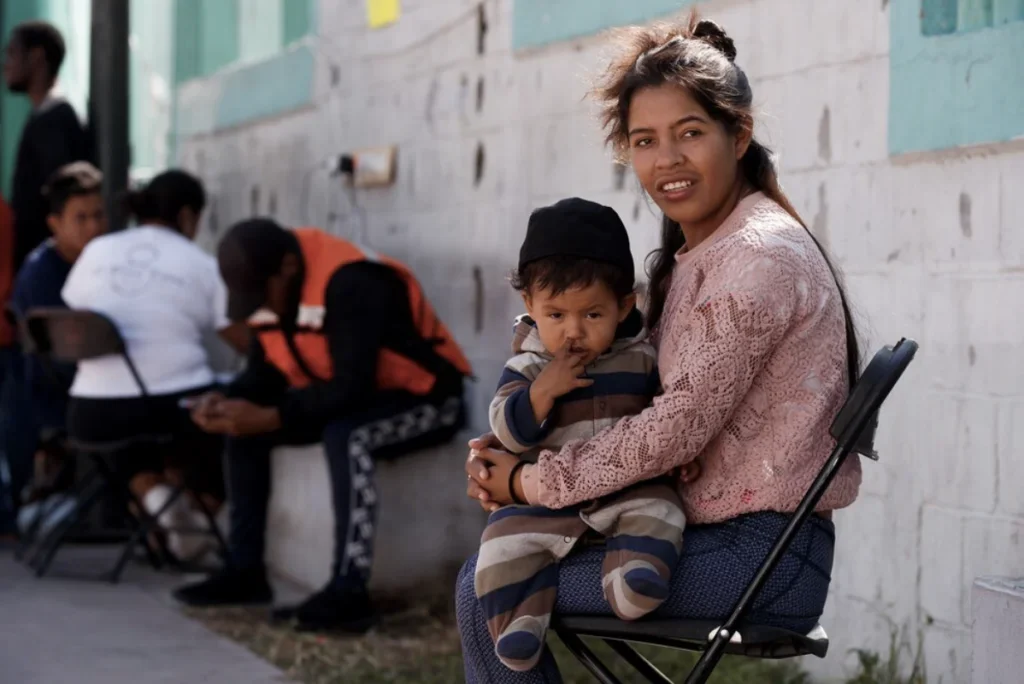
Building a new life also means building new support networks. Photo: Infobae
From support networks to community
Building a new life in another country takes time. Building a support network does, too.
Maybe it starts with an organization. Then we meet another mother. We join an activity, ask a question, exchange a phone number.
And almost without realizing it, those small connections begin to form something bigger: a community.
For Latina migrant mothers, that community can become an essential part of living and raising children in the United States a place to share what we know, ask for help when we need it, and offer support when we can.
Because migration can mean leaving many things behind. But it can also mean finding new ways to belong.
And perhaps one of the most important is this:
knowing that we are not alone.
At Madre Tierra, we believe in the strength that emerges when women come together, share their experiences, and build networks to support one another.
Because when a mother finds support, it doesn’t just change her experience of motherhood, it strengthens the community she is building.
This content is part of Empowering Madres Latinas, a multilingual media campaign highlighting the stories, voices, and organizing power of immigrant mothers in Philadelphia. The initiative is produced in collaboration with filmmaker Gabriela Watson-Burkett through the 2025 Leeway Media Artist & Activist Residency Program.