
Latino leaders rally Philadelphia around the urgency of civic engagement
At LULAC Pennsylvania’s first-ever statewide convention, organizers and elected officials spoke of the power of voting and everyday participation as essential parts of shaping the future.
By Jensen Toussaint. On May 13, 2026. Edited by Nigel Thompson.
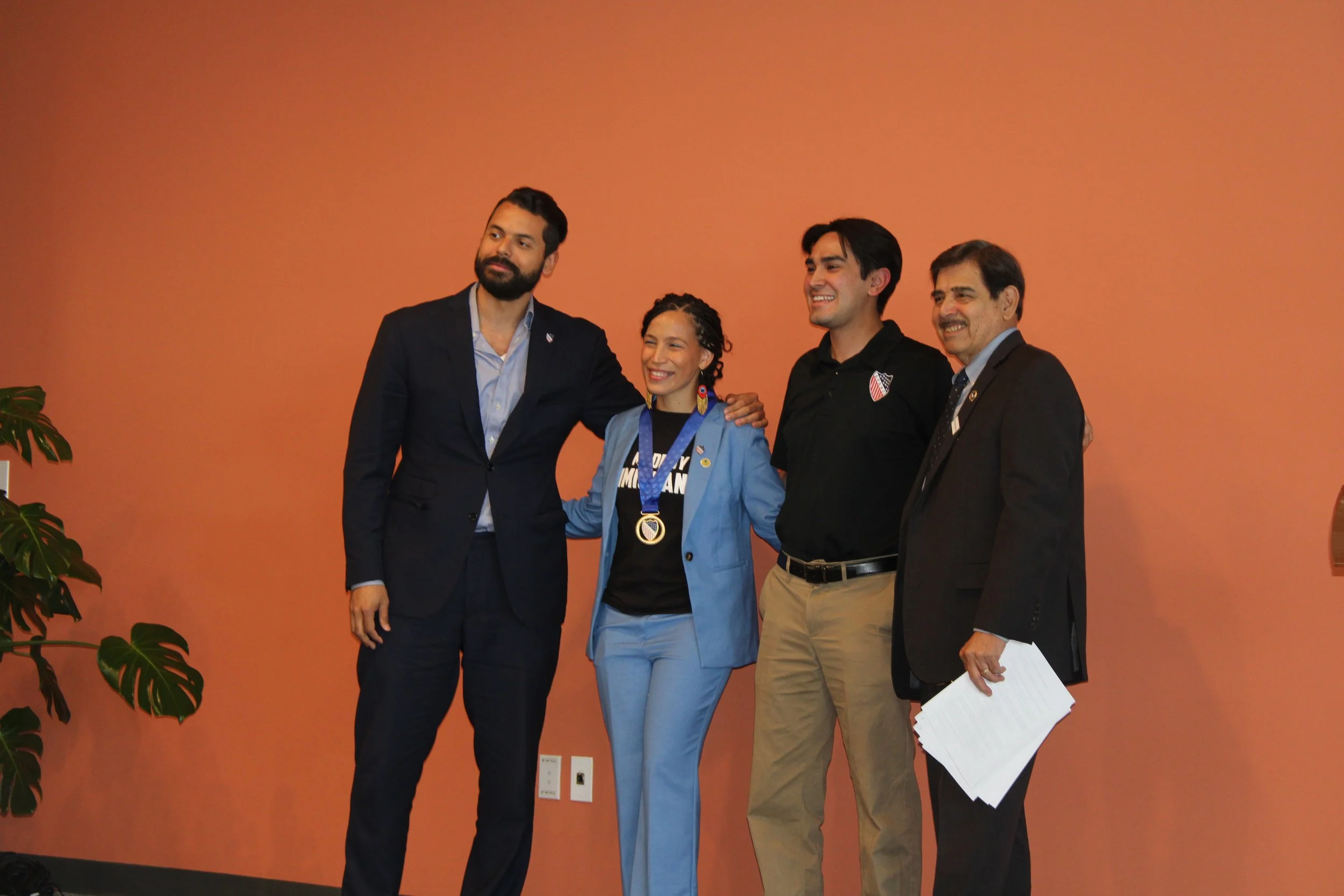
LULAC leaders locally and nationally came to Philadelphia to showcase the power of showing up in numbers and express the importance of civic engagement. (Photo by Jensen Toussaint/Inti Media.)
The scene inside the Gran Salon at Esperanza on the afternoon of Saturday, April 25, was one rooted in hope, community, and civic pride.
It was there that LULAC’s Pennsylvania chapter held its first-ever statewide convention with a focus on civic participation, representation, and the power of numbers.
“It is fitting that it happens in a state that helped define the very principles of democracy, representation, and constitutional rights,” said Roman Palomares, the national president of LULAC, who flew in from Texas to be a part of the historic summit.
As more than 100 people sat and listened intently to the lineup of speakers, one very important message was echoed throughout the afternoon — civic engagement is not a choice, but rather a priority.
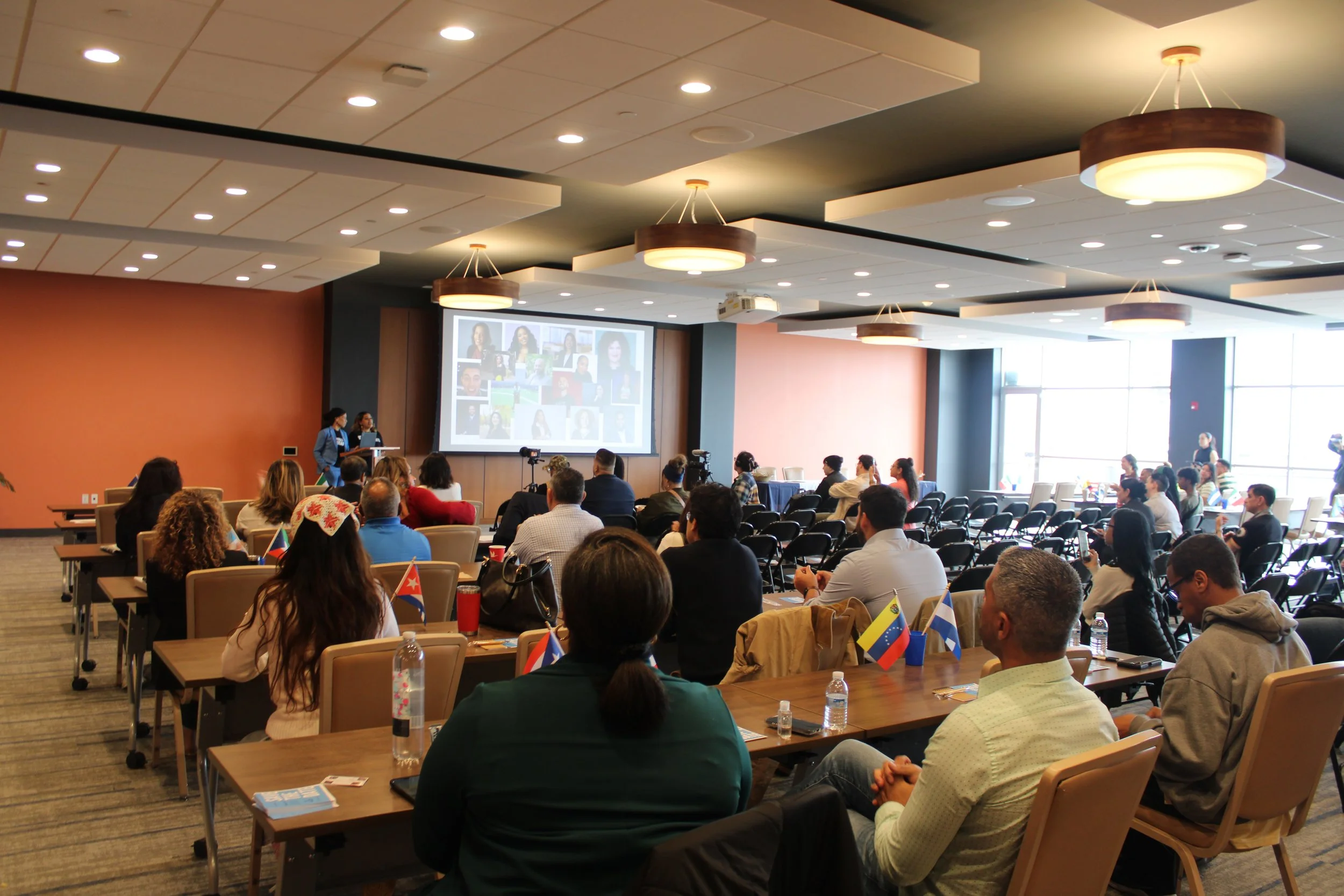
LULAC’s Pennsylvania chapter held its first-ever statewide convention at Esperanza College in Philadelphia. (Photo by Jensen Toussaint/Inti Media.)
Founded in 1929, the League of United Latin American Citizens (LULAC) is the largest and longest-serving Latino civil rights organization in the country.
Last year, LULAC’s Pennsylvania chapter gained its representation on the organization’s national board, allowing the chapter to have a seat at the table to strengthen advocacy efforts and elevate its influence when it comes to policy.
“We’re really hoping to not just make changes in our city, but also make changes on a national level, too,” Delilah Dee, LULAC Pennsylvania’s community affairs director, told Inti Media.
The convention served as one of the organization’s actions to make positive change.
The power of the vote
Philadelphia’s primary elections are right around the corner on Tuesday, May 19.
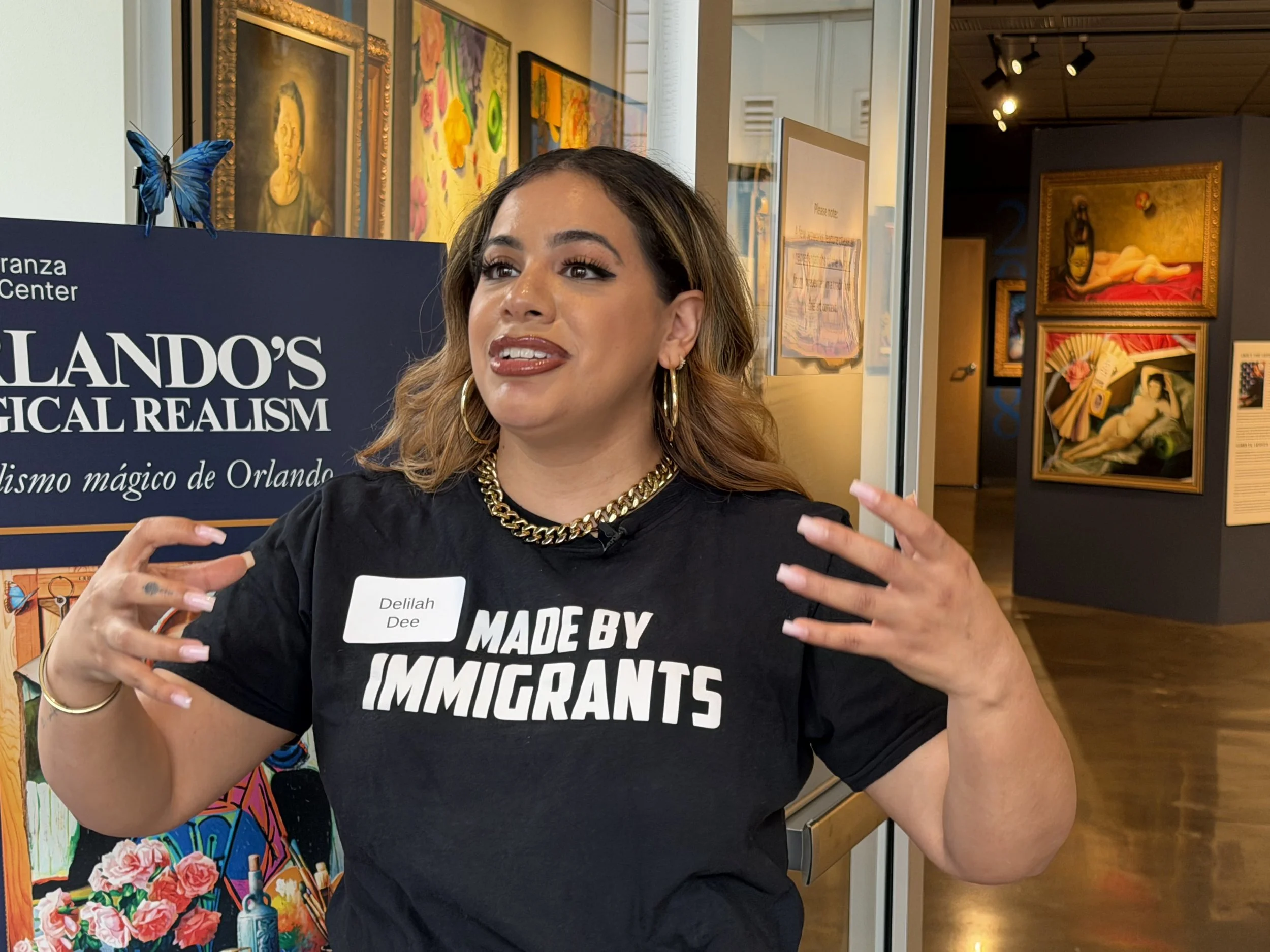
Delilah Dee, LULAC Pennsylvania’s community affairs director. (Photo by Inti Media)
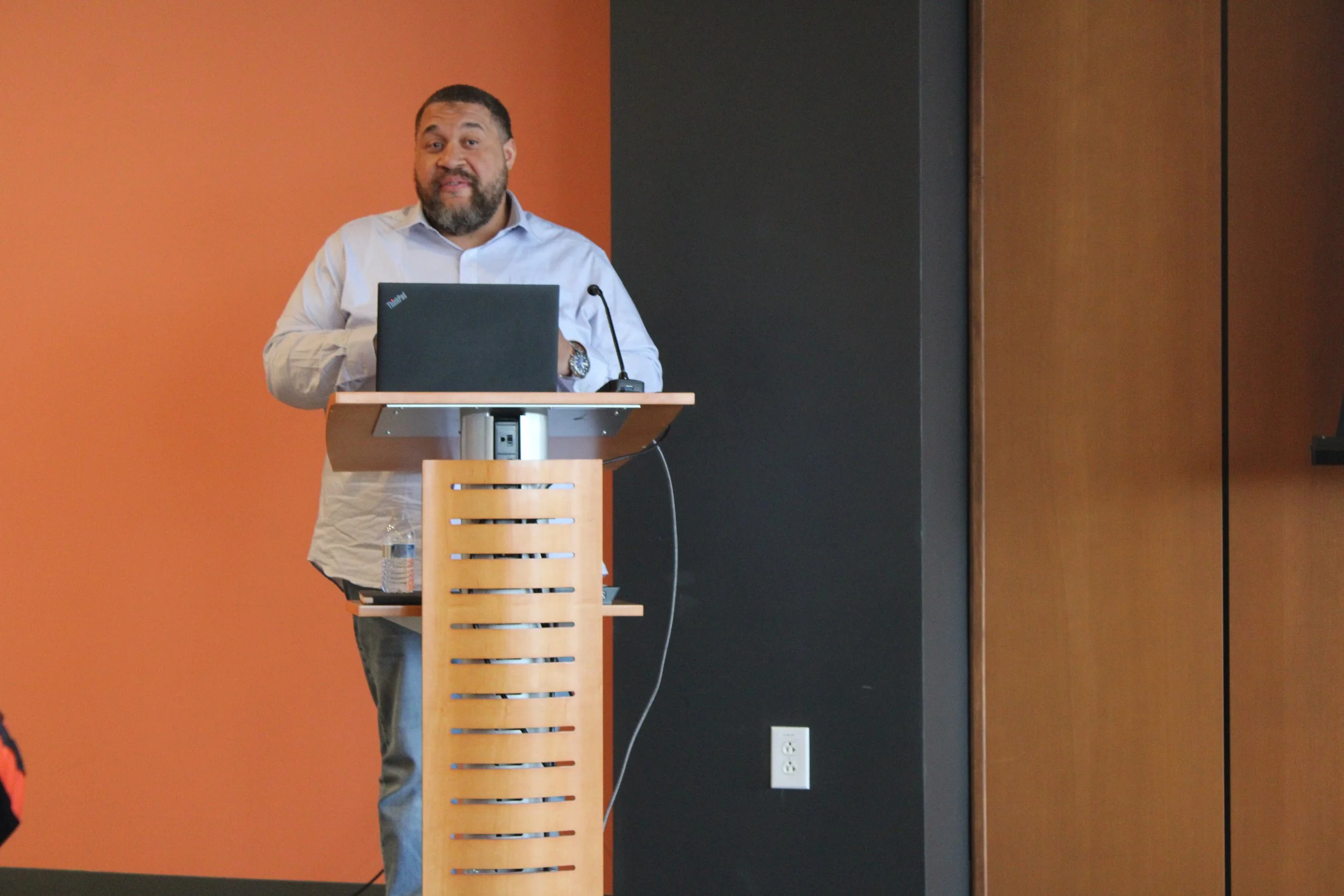
City Commissioner Omar Sabir tells citizens that elections happen every six months, not once every two or four years. (Photo by Jensen Toussaint/Inti Media.)
Philadelphia City Commissioner Omar Sabir, who leads efforts to expand voter access and strengthen participation across the city, often stresses the importance of taking action.
Voting is one essential way to do so.
“We have to increase our voter turnout so that way we can get the respect, we can get the dignity that we deserve, we can get the accountability that we deserve,” said Sabir.
The inaction of not voting is itself an action “because if you’re sitting down being quiet, that means that you agree with everything that is going on,” he added.
Sabir stressed the reality that elections don’t just happen every four years or only during presidential election years, but actually every six months.
Not knowing this can lead to lower voter turnout for critically important local elections.
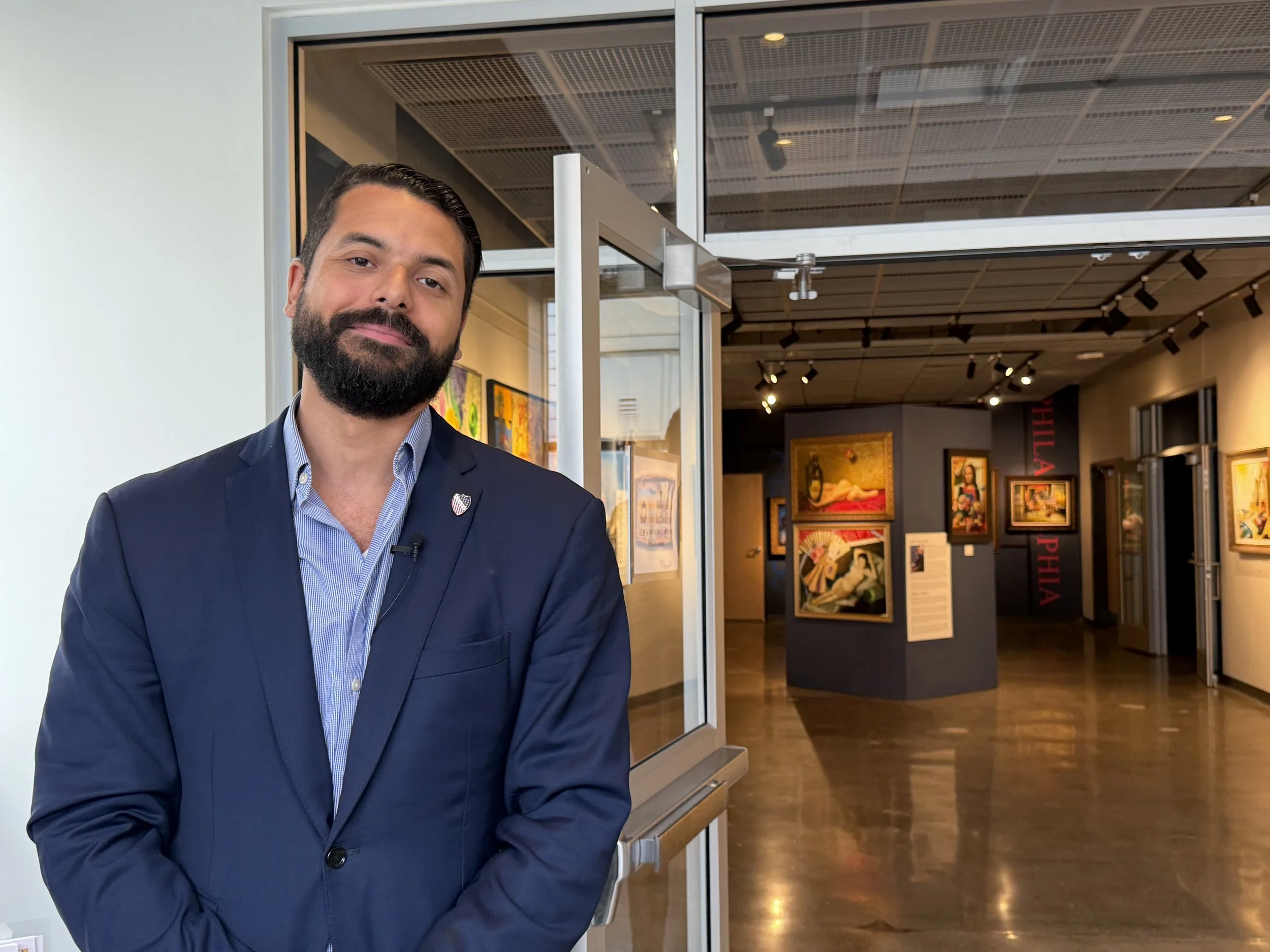
Ramery De Luna, LULAC’s national vice president for the Northeast. (Photo by Inti Media
Ramery De Luna, LULAC’s national vice president for the Northeast, told Inti Media that there is also a notion that their one vote won’t count or matter.
“Every one vote matters because people forget that congressional budgets, City Council budgets get allocated into neighborhoods that are higher in voting,” said De Luna.
To this end, communities with low voter turnout get less funding than those with higher turnout.
Pennsylvania State Representative Danilo Burgos urged citizens and organizations who are determined to defend Latino rights to not get lost in the noise, but rather to continue taking steps forward.
“We need our people to vote,” he said.
Strength in numbers
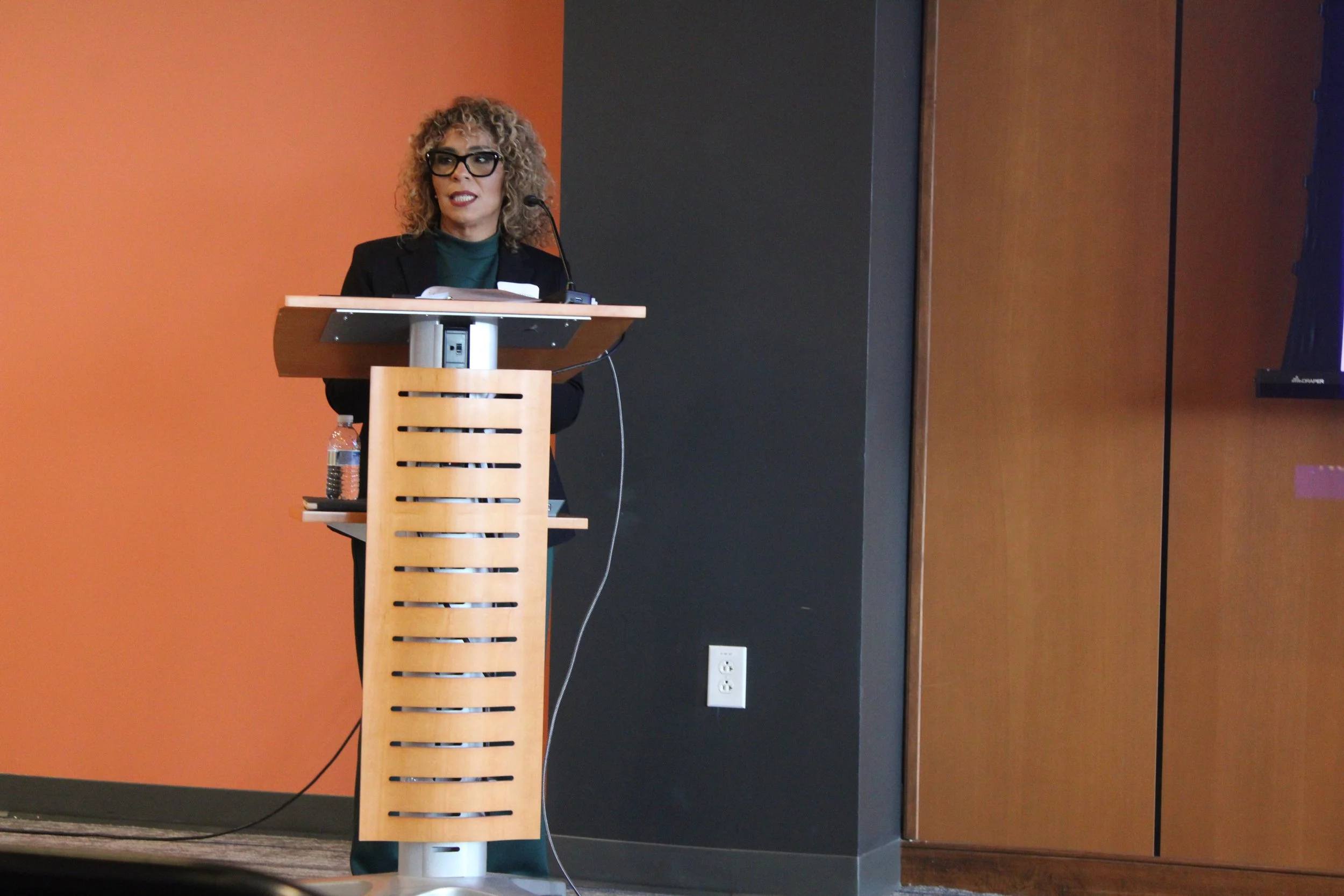
Councilmember Quetcy Lozada.(Photo by Jensen Toussaint/Inti Media.)
Councilwoman Quetcy Lozada of Philadelphia’s 7th District noted that as of 2026, Latinos represent the second-largest voting bloc in the United States.
However, despite comprising nearly 20% of the population, Latinos hold less than 2% of local, federal, and state electoral positions.
“This disparity is unacceptable,” said Councilwoman Lozada.
As more Latinas are being elected into Congress nationally, Lozada stands as the only Latina elected to Philadelphia’s municipal government in a district where 55% of the constituents are Latino.
The Commonwealth of Pennsylvania also holds power as a key swing state.
According to a 2024 report from the UCLA Latino Policy and Politics Institute, the state has the 10th largest population of eligible Latino voters in the nation, with approximately 579,000.
However, those numbers aren’t often reflected in elections.
Lozada said it’s because many Latinos often feel unseen, unheard, and unrepresented.
“But let us be clear, we have the power to change that narrative,” Lozada added. “Each one of us has a voice that matters and each vote holds the potential to create a ripple effect in our communities.”
To show just how prevalent the Latino community is, LULAC Pennsylvania has unveiled a new Latino data dashboard, showcasing key metrics on population growth, education, household income, homeownership, and more.
Civic engagement beyond the polls
While voting is a key element of civic engagement, it is not the only way to get involved.
“It’s an everyday commitment,” said Lozada. “Every opportunity we have to talk to our neighbors, to talk to our families about getting engaged is an important opportunity.”
Learning about candidates running for office; bridging language barriers; ensuring you, your neighbors, and community members are registered to vote; locating polling places; and updating your voter registration are all also forms of civic engagement.
“Aside from voting, we want to see Latinos engaged at every level of government,” said Maridarlyn Gonzalez, president and state director of LULAC Pennsylvania. “Sometimes that’s serving on a school board … volunteering, sitting on advisory committees, participating in surveys. All of those things matter.”
“It’s taking on leadership positions, it’s really just utilizing your voice to help people understand their power when we come together,” Dee added.
The youth also have an important role to play in civic engagement — from high school students who aren’t yet old enough to vote to college-aged individuals voting in their first elections.
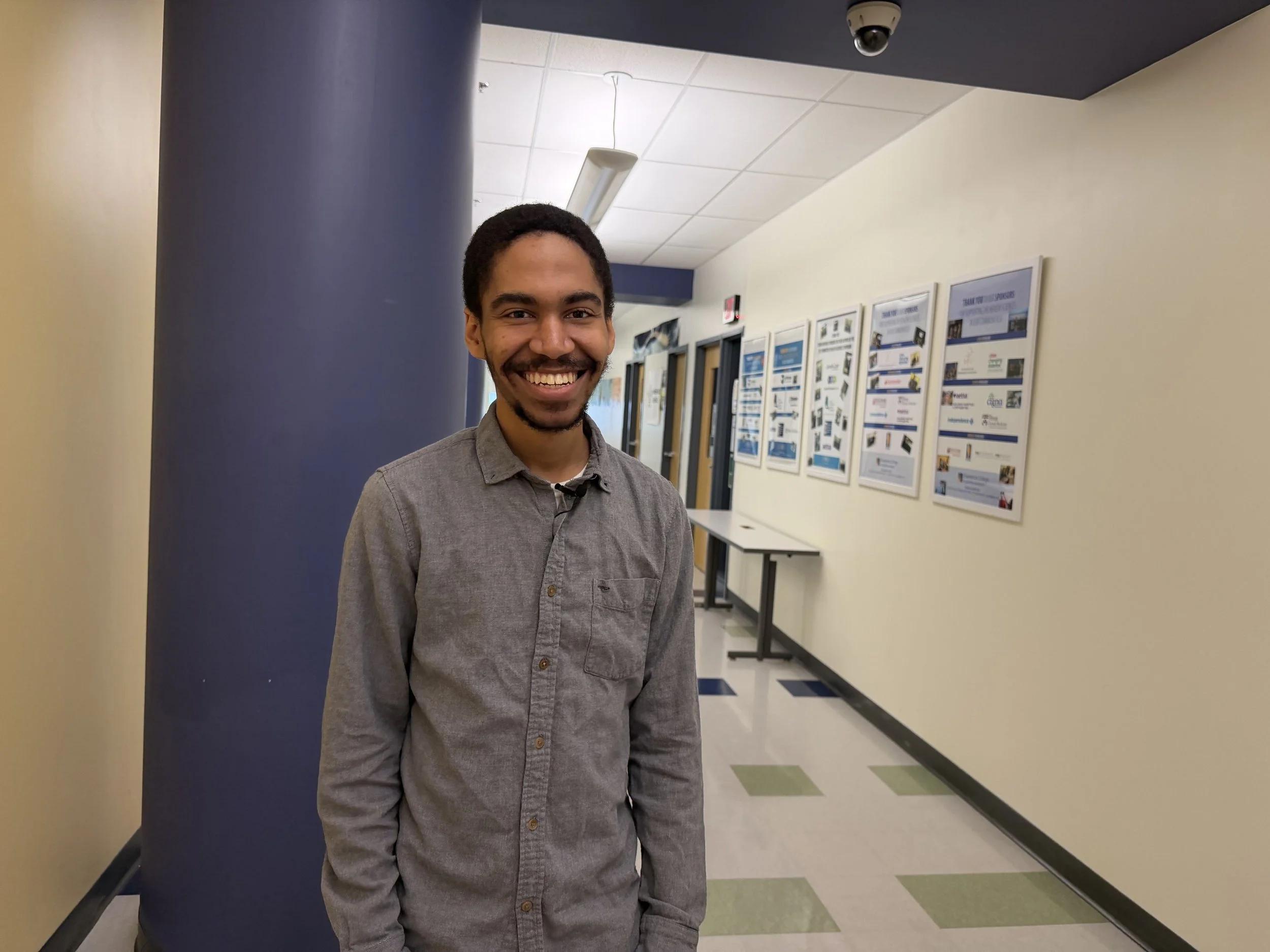
Temple University student Brayan Orozco. (Photo Gabriela Watson-Burkett/Inti Media)
Philadelphia native and Temple University student Brayan Orozco told Inti Media his civic engagement “took on a life of its own” after witnessing walkouts at his high school and while he was a student at the Community College of Philadelphia.
Upon his arrival at Temple, he got involved in student organizing around issues like immigrant rights and police brutality.
“I joined clubs, I’ve done presentations … and I’ve found this really great community of people who are invested in doing stuff with the Latin community, the queer community, people of color, incarcerated people,” Orozco added. “Philadelphia is a really good city for that.”
Young people often have a level of optimism that allows them to be more fervent about their civic engagement and mobilization efforts, but others don’t feel as engaged.
“Your vote matters, but also your organizing matters, where you put your money matters, how you spend your time, supporting your neighbors and your community matters,” said Orozco.
The past, a look ahead, and call to action
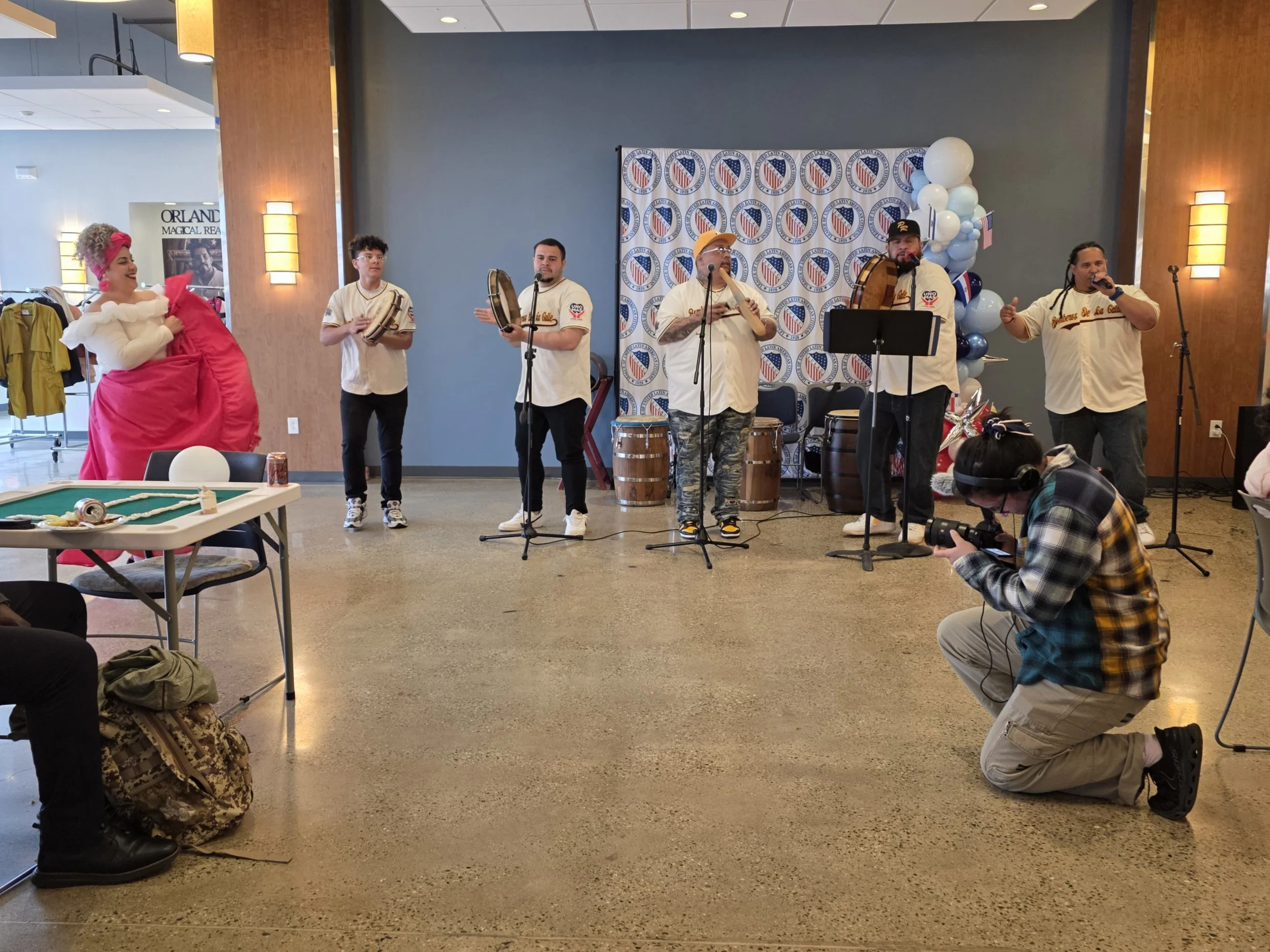
Bomba performance at LULAC’s conference. (Photo by Claudia Ceballos/ Inti Media)
As the country’s oldest Latino civil rights organization, Palomares said LULAC has a history “rooted in action, litigation, advocacy and community leadership.”
“That history includes real, tangible victories,” he said.
He pointed to the LULAC members who helped in the 1947 Mendez v. Westminster court case in California that established segregation of Latino children as unconstitutional.
“That is not just history, that is a major impact,” Palmores added.
The organization also spearheaded a program that taught English to Latino children so they could succeed in school, which later became the catalyst for Head Start.
Further examples include advocating for Latino veterans returning to civilian life, reforming how the military addresses sexual harassment and assault, and allowing active-duty service members to request immediate mental health evaluations.
That work continues to this day — whether in communities or the courts — and it’s critical during the current landscape when voting access is being threatened.
“Constitutional rights are not optional,” said Palomares. “They are foundational.”
He said policies that aim to present barriers to voting participation negatively impact Latino political power and influence. When Latinos aren’t able to flex their voting power, it becomes harder for the community to elect leaders who can accurately represent them.
One way is through racially discriminatory gerrymandering.
“[It] is not just a technical issue. It’s about whether communities have a fair chance to be heard,” said Palomares, adding that when maps are drawn in a way that divides neighborhoods or isolates voters, it creates long-term consequences for education, healthcare, infrastructure, and opportunity.
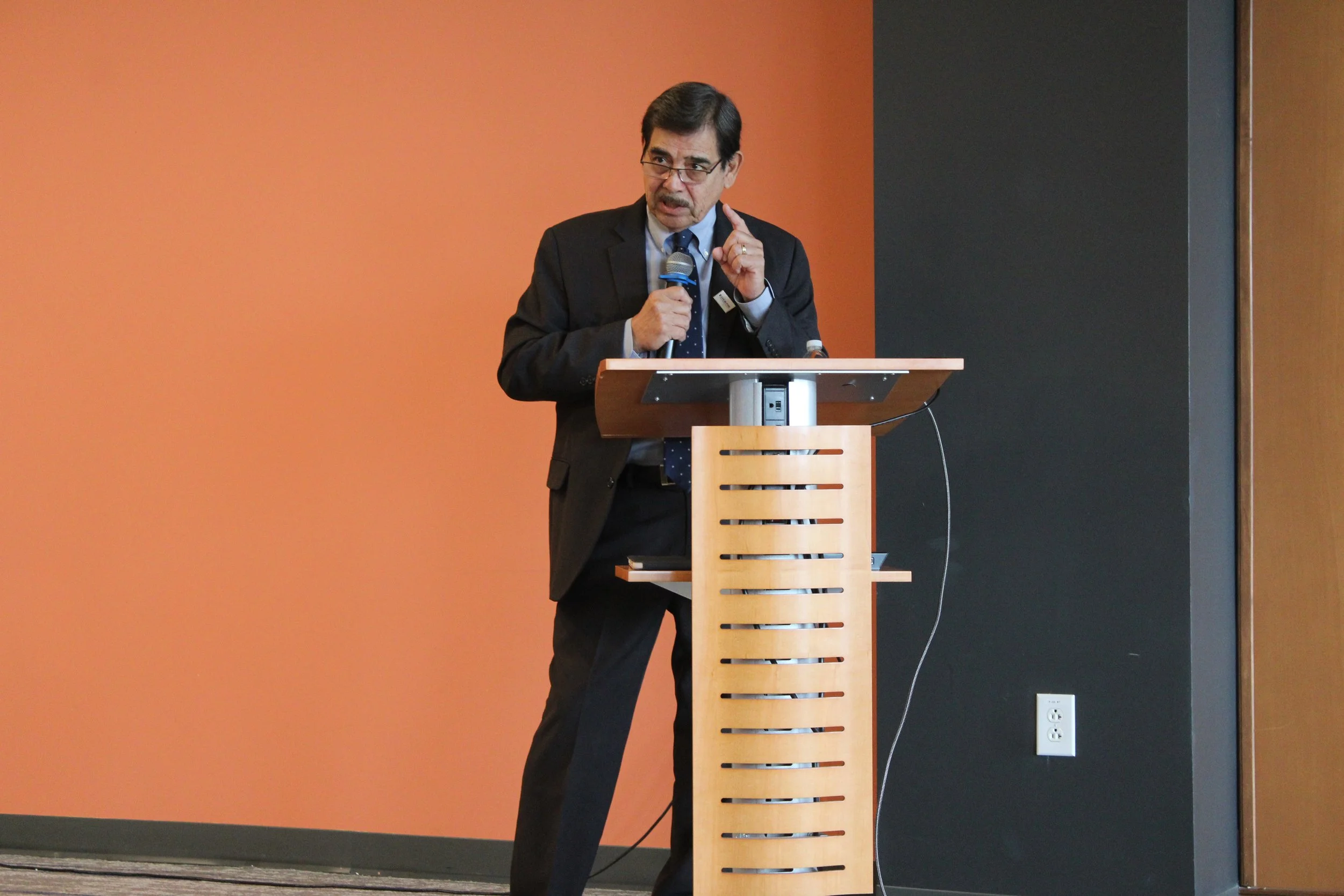
LULAC National President Roman Palomares says the organization partners with several likeminded organizations to help Latinos get a seat at the table for key issues. (Photo by Jensen Toussaint/Inti Media.)
With Latinos being one of the fastest-growing demographics and Pennsylvania being a key battleground state in elections, Palomares’ call to action was a simple, but profound one.
“Our role is clear. We must organize, we must mobilize. We must ensure that Latino families across Pennsylvania are informed, engaged, and participating in elections, in the census, and in civic life,” he said.
“The future of our community depends on what we do next. Let’s continue this fight together in service and solidarity.”
Watch the behind-the-scenes video now!