
Philadelphia teens graduate from PA Youth Vote’s PACE Program, push for louder youth voice in civic engagement
Four Philadelphia youth panelists shared their experiences in the program and debated key topics, including lowering the voting age, school funding, and more.
By Jensen Toussaint. Edited by Nigel Thompson. On July 15, 2026.
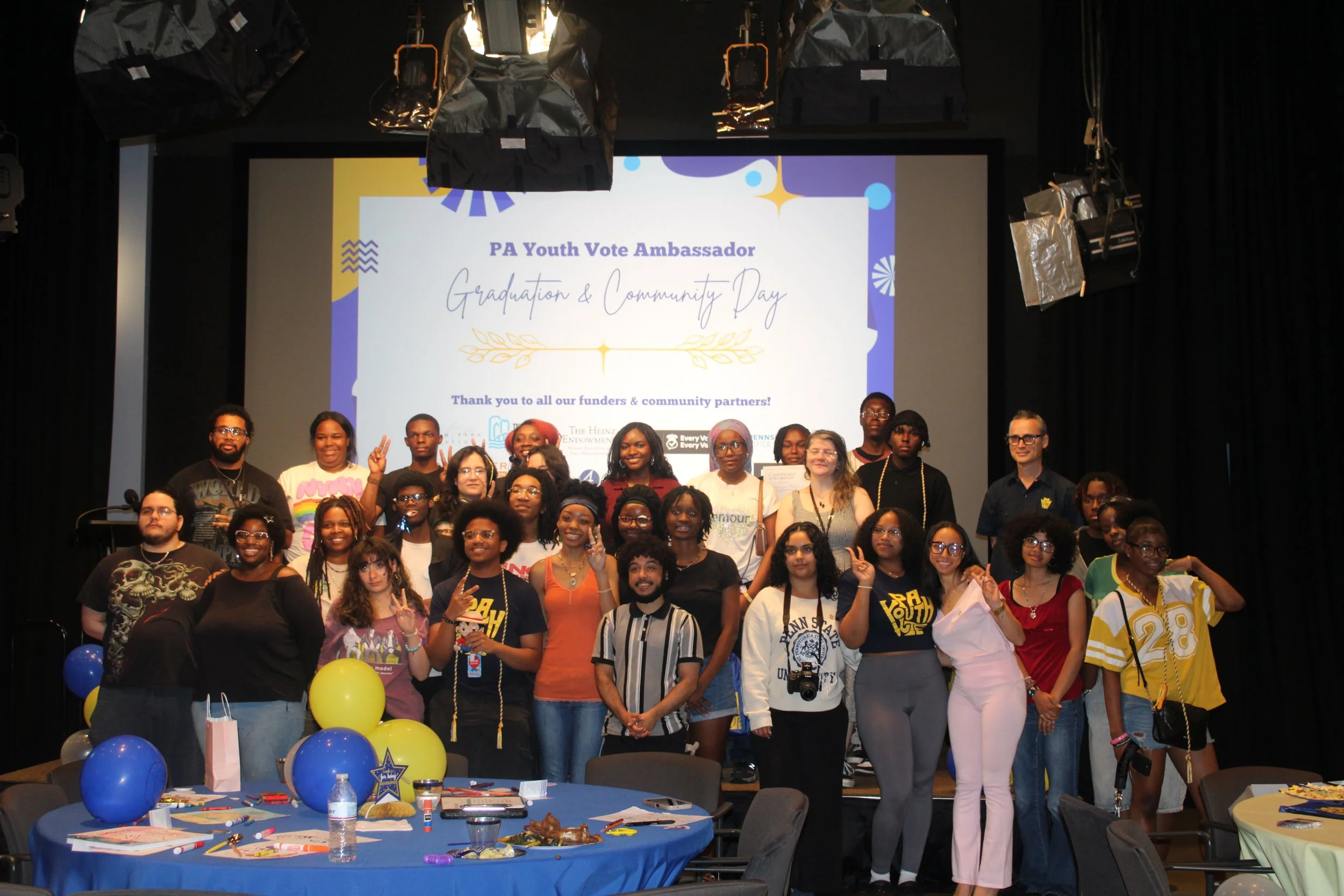
PA Youth Vote youth ambassadors celebrated their graduation from the PACE program on June 17.
On Wednesday, June 17, 2026, a group of Philadelphia youth ambassadors were celebrated during a graduation ceremony held at WHYY headquarters.
The graduation served as a culmination of the most recent cohort of PA Youth Vote’s Pennsylvania Civic Engagement Program (PACE).
The PACE program is designed to help young people better understand democracy and their role in helping shape it.
“As a grassroots organization, our vision is to create a space where youth feel empowered to enact the change they wish to see in our communities,” said Ethan Rodriguez, Philadelphia’s regional organizer at PA Youth and the program’s leader.
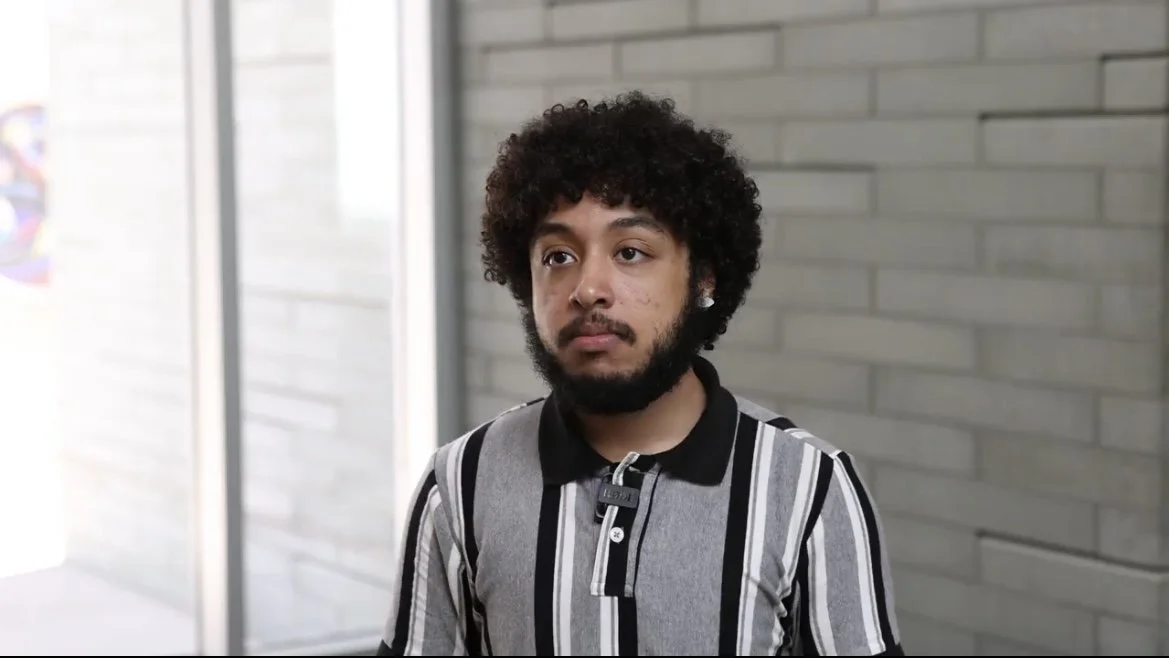
Ethan Rodriguez, PA Youth Vote’s regional organizer has guided dozens of youth through the PACE program.
Through the PACE program, local youth participate in a series of civics-based workshops rooted in advocacy, history, and integration.
“We teach our ambassadors about how the political systems work, and as part of that, we ask them to identify issues in their local communities,” said Rodriguez.
He added that the ambassadors then get connected to the tools and resources needed to support the change they want to see within their communities. One of the most critical parts of ensuring the youth ambassadors get as much as they can from the program is finding ways to make politics relatable, digestible, and fun.
“We believe that there is more than one way to convey a message,” Rodriguez said, “ranging from direct community organizing and mobilization to creating TikToks and writing poetry.”
That philosophy was put into practice when the youth ambassadors teamed up with the School District of Philadelphia’s PSTV studio, and recorded a podcast discussing topics like poverty, gun violence, and what a government owes its citizens.
A stage for the youth voice
Four of the program’s ambassadors took part in a panel discussion during the ceremony. While each became civically engaged in different ways, they were all bonded by the shared desire to use their voices and passion to create change.
For panelist Maya Izzard, politics and civic engagement are a family affair.
“I’ve always been interested in civics mainly because of my parents,” she said. “My dad was in politics. My mom was always in community service and working with people.”
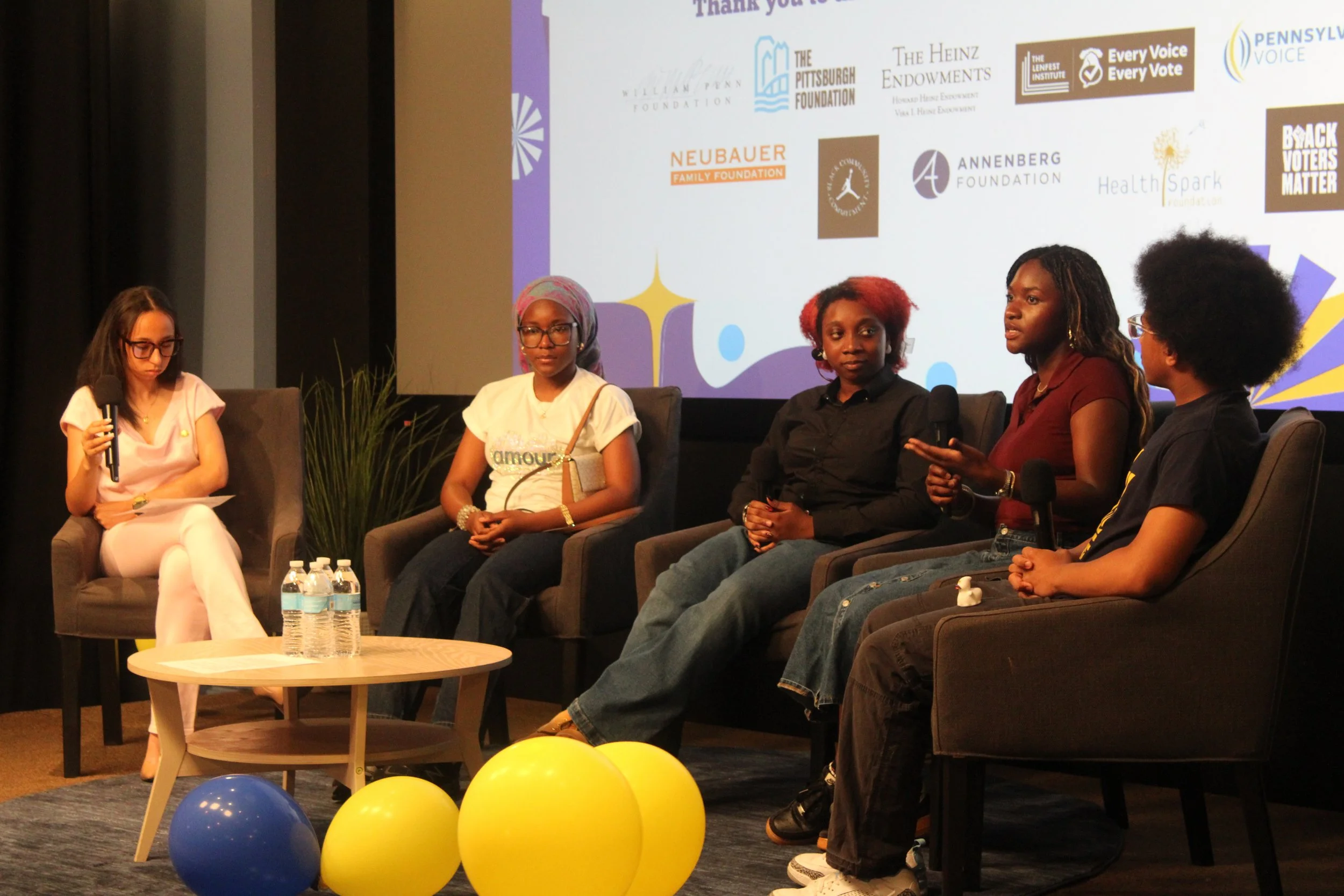
Maya Izzard, a junior at CAPA, became interested in civic engagement, thanks to her parents.
Through PA Youth Vote and the PACE program, she has been able to talk about civics with others who are like-minded, and those who brought new ideas and perspectives to the table when it comes to creating change.
Panelist Ewdi Rosario credits the program for helping counteract the narrative that youth don’t care much about civics.
“In this political climate, it’s become more important than ever to get the youth more civically engaged,” said Rosario. “Since the youth will build a future America, I think we should know what’s happening right now so we can build off of it.”
For many of the youth ambassadors, the PACE program provides an opportunity to learn valuable skills and resources that may not be learned in the classroom. Panelist Eyitemi Odusola highlighted a tour of the PSTV studio, which helped provide the youth with multimedia tools that strengthened their civic engagement endeavors.
The voting age question
One question that brought out a healthy dose of debate among the panelists was whether the voting age should be lowered from 18 to 16.
Rosario was in favor of the notion because, he said, if people can pay taxes at the age of 16, it would make sense to also be allowed to vote. “I think voting is probably one of those aspects that makes you feel heard,” he added.
Odusola believed the voting age should remain 18 because it’s consistent with the country’s legal age for adulthood. “It shouldn’t be dropped, but it shouldn’t be higher either,” she added. “In my personal opinion, 18 is the perfect age.”
While 16-year-olds may not be fully mature, Izzard said many may have already experienced life in ways older adults may not have.
Advocating for change
There are several social issues facing Philadelphia communities, but one of the most prevalent shared among the panelists is poverty.
Rosario, who grew up in Kensington, has seen the neighborhood plagued with both poverty and drugs for nearly his entire life. “These two different things that are happening at the same time in the same place is throwing me off,” he said.
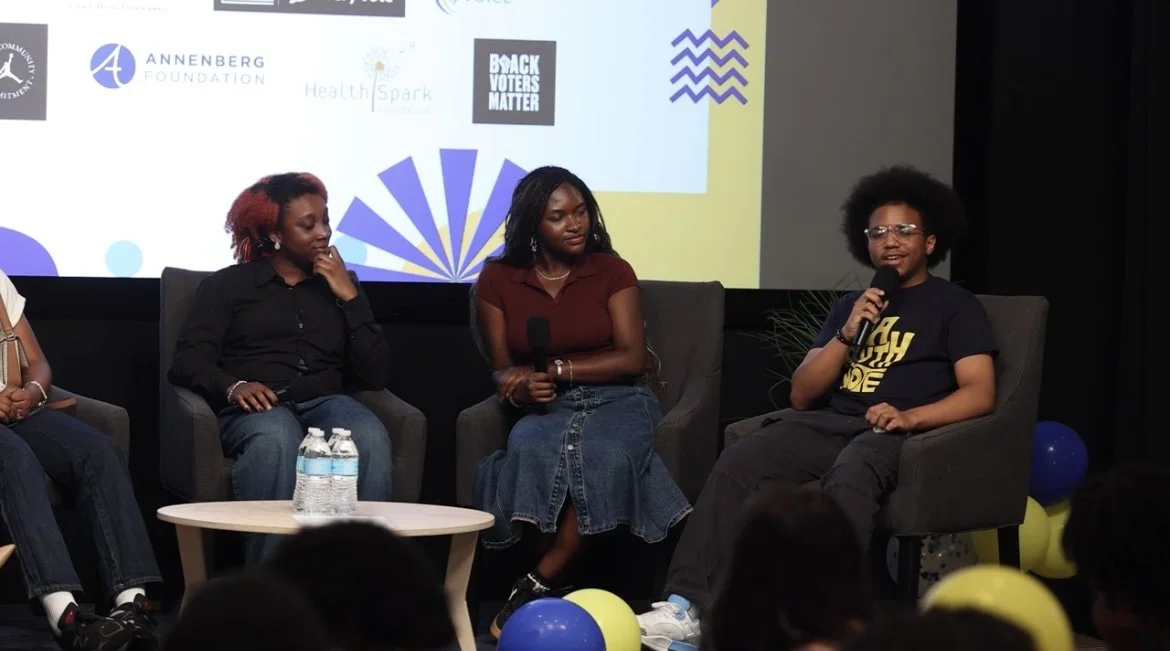
Ewdi Rosario would like to see poverty and drugs addressed in Kensington, as well as a narrative shift surrounding the youth voice.
“I think poverty needs to be addressed in Philly specifically because it affects not only just the community. It affects the youth, it affects the older people, it affects everyone. Even if you don’t live in a poverty area, it still is going to affect you in some way, shape, or another,” he continued.
Diyana Moussiliou, another panelist, agreed, and argued that the city needs to stabilize government benefits for working-class residents as part of any real fix. Education is another major concern for Philadelphia youth, and something they see as a catalyst for change.
Odusola recalled a teacher reaching out to the School Board only to be told the students were destined to get low test scores regardless. She said the comment reflected how little Philadelphia’s public school students are expected to excel in many people’s eyes. “There’s just not a lot of opportunities here unless you’re set up at a good school with a lot of resources,” Odusola said. She said she would like more to be done to ensure every student — not just those at well-funded or private schools — has access to ample resources and a quality education.
Closing the information gap
Youth really care about what is going on in their communities, but a gap lies in not knowing how to make a difference or who to contact.
“Because we’re not given that information,” said Izzard. “Even though it should be very public, we’re not really taught the importance of voting or keeping up with who can actually help in these situations.”
The PACE program is designed to help close that gap and place care, passion, and thoughts into concrete, tangible action. Izzard argued that what is taught throughout the PACE program should also be taught in schools.
“I feel like once we are given those tools … we will see more action from the youth,” she said.
Odusola shared a similar sentiment, noting that every Philadelphia student has thoughts about what’s going on in their school district, but aren’t often asked about it.
“Every student has an opinion, and so if we really give them platforms to express those opinions, then from there on out, there’s going to be more representation from the youth,” Odusola added.
Rosario shared a personal anecdote about a documentary he worked on about Chinatown’s No Arena fight. While doing his research for the documentary, he learned just how prevalent youth activism is now and has been throughout history.
“In the No Arena fight, there were so many high school youth, there were middle school[ers], there were even some elementary school [kids],” he said. It’s that mobilization and activism that helps make youth feel more empowered to be civically engaged. “The PACE program doesn’t just provide you with the space to talk about issues, but also provides you with a community to build from,” Rosario added.
A message to the older generations
The panelists were clear that youth-led movements can only go so far without adults willing to listen and provide guidance. This is especially true when it comes to voting.
“Your decision also affects the young children,” Moussiliou said.
Odusola took it a step further, highlighting that “not only does your decisions… affect others, but it affects [those] that are not born yet.” She said the key thing they can do is listen to the younger generations. “Really take that time and learn how to listen … if a kid wants you to just listen, if a kid wants advice, if the kid wants something, you should learn how to cater.”
In a fast-changing world, it’s just as important for people to change alongside it. Odusola said that once society starts to become more aware of that, then things can move forward. “Keeping things the same all the time can really backpedal us as a community and as a society,” she added.
Rosario advocated for the older generations to help youth become more aware of not only what’s happening in the current day, but what’s happened in the past. “Because history doesn’t repeat itself, it rhymes,” he said. “Through community activism, through solidarity… the youth can build a better future for tomorrow, and can also build a good foundation for future youth that eventually rise up.”
Philadelphians interested in supporting the next PACE cohort or learning more about PA Youth Vote's programming can visit payouthvote.org.