
A conversation with LULAC CEO Juan Proaño
The Chief Executive Officer of LULAC talks about the recent birthright citizenship Supreme Court case and the Trump Administration’s immigration policy.
Interview By Gabriela Watson-Burkett. Edited by Emily Davis and Jensen Toussaint. On July 22, 2026.
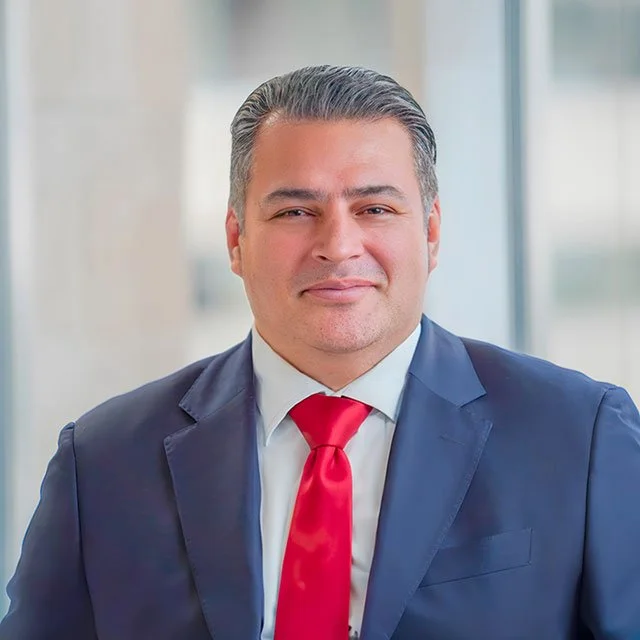
Photo courtesy of LULAC, Juan Proaño.
On June 30, 2026, the U.S. Supreme Court handed down a ruling for Trump, President Of The United States, Et Al. V. Barbara Et Al, the case brought against Trump and his executive order that limited birthright citizenship.
One of the organizations whose individual lawsuit merged into Trump v Barbara is the League of United Latin American Citizens (LULAC).
LULAC was founded in 1929 as a merger of several Hispanic civil rights organizations that emerged in response to discrimination. They won two landmark cases on segregation and jury selection in 1945 and 1954, respectively. More recently in 2021 they sued over Texas’s redistricting map in LULAC v. Abbot.
LULAC’s Chief Executive Officer, Juan Proaño, sat down with Inti Media’s Founder, Executive Director, and Editor-In-Chief Gabriela Watson-Burkett to discuss the win and other immigration policies.
Proaño has been the organization’s CEO since November 2023. He is also the co-founder of Plus Three and founder of two other technology companies, with 20 years of entrepreneurial experience under his belt.
Below is the transcript of his conversation with Watson-Burkett. Some of the questions and answers have been edited for clarity.
Watson-Burkett: We want [inform] our audience, who are formed mostly by millennials and Gen Z– bilingual, first generation– who are trying to explain to their families what's going on about birthright citizenship being challenged.
Right, that's something that we haven't heard recently in this country, the United States, but we have heard internationally in other cases, such as Haiti or even other countries that we are familiar with as Latine communities. Could [you] explain the attempt to challenge birthright citizenship through the Trump administration?
Proaño: Sure, so on January 20, 2025 President Trump basically signed an executive order to end birthright citizenship as we know it. LULAC basically challenged this in court. We actually filed the first lawsuit that night, a few hours after it actually being signed, but as we all know, you can't change the constitution or reinterpret the constitution via an executive order, and what he was basically challenging was the language specifically in the 14th Amendment, which basically stated that an individual would have to be a resident of, and so that was basically the challenge, effectively stating that if an individual is illegally in its country, then they are not a subject and should not be eligible for birthright citizenship.
Watson-Burkett: Thank you for explaining that. So, even if they have both of their parents, US citizens, this person will not be a citizen?
Proaño: No, no, that was obviously a question that kind of, sort of was still out there. Variances could be that you have one person, one parent that's a US citizen, another parent that is undocumented. For example, what would happen in that particular case? Clearly, you know, that was the issue, is that it wasn't necessarily very clear. It was a bit ambiguous in regards to how it would actually be enforced.
Watson-Burkett: Thank you. And so, tell us about, we know the LULAC is, it was one of the first organizations that organized Latinos in the country, and you were able to file this lawsuit, which is a tremendous achievement. Can you talk more about some of the people and families you represented in the lawsuit?
Proaño: Yeah, so we started working on this case, you know, two years ago, in June of, I want to say, 2023. This clearly was something that they had intended to do early on, and it was part of their Project 2025. So we already knew that this was coming with the question, really was a matter of when, and so we actually started to organize ourselves, speaking to our local councils, starting to basically identify potential clients or plaintiffs in the actual lawsuit itself, and we identified more than a dozen women, all immigrants, that were expecting. And so we reached out to them, told them about the case, most of them did not know about it, or had heard some information about it, and of course were all very concerned. So these women are very brave to come forward, primarily because they put themselves in legal jeopardy as well, given that their status varied depending on kind of sort of where they were in the process to gain legal status in the United States, and they worked with us, and we work with them, and we're able to file this lawsuit. Now all the individuals were filed, as Jane Doe’s, to keep their privacy and. Our client went by the name of K, just the initial of her first name.
Watson-Burkett: Thank you for sharing that. And had you anticipated a unanimous decision?
Proaño: Yes, I think, for the most part. There were three different cases, ours is one of the first. There was another one that was filed by the Democratic Association of Attorney Generals. There was another one that was filed by CASA. There were questions in regards to can a federal judge actually grant a nationwide injunction? And that's actually the case that went up to the Supreme Court. So all the cases effectively merged into one larger case that was argued at the Supreme Court on April 1. We were there and based on the questions that the justices were asking the attorneys, it was clear that they were likely leaning towards continuing to support the Constitution and the 14th Amendment. The question really was what was the vote count like being, was it going to be 9-0, was it going to be 7-2 or 6-3? The final vote count came down at 6-3, and quite frankly, Cavanaugh spoke with a partial vote. He actually voted on the merits of the executive order and not on the merits of the actual constitution, so really it was closer to a 5-4, which is very shocking to consider that it was actually so close at the end.
Watson-Burkett: Yes, then that makes a lot of sense, and so we're also concerned about other rights that we have, such as naturalization or green cards. Do you anticipate the Trump administration also challenging those?
Proaño: Well, I mean, we won, obviously, on the question of birthright citizenship, and it will continue to protect a precedent that we have had for over 150 years, so that's critically important. But on TPS, for example, for Venezuelans and folks from Syria, we lost, and so now this administration, this president can basically move forward, deporting upwards of 300,000 individuals. There was another immigration-related case as well, which the Supreme Court basically sided with the President, too. So, out of three cases, we won birthright citizenship, we lost two others. The fact of the matter is that detention [and] deportation in this country continue, and we've seen an escalation of those detentions and deportations. Last week, they were reporting over 10,000 immigrants were detained, and in the process of deportation. That's over 2000 individuals per day, and they are trying to scale up their efforts. So this immigration policy is going to continue unabated without Secretary Noem and Perino in place. The fact of the matter is that Secretary Mulvaney has continued, not as much in the limelight and not just much in the headlines, but their enforcement actions continue all the same.
Watson-Burkett: So, what's the message for people who are very concerned about their situations? Can they seek any kind of support, for example, the Venezuelans that lost their TPS, are they able to take any legal action, or what's the advice for them?
Proaño: Every single case is different, and we can't give good advice for everyone, every single case is going to basically vary, but what we do caution, obviously, if the one for everyone to really understand what their rights are, first and foremost, under the Constitution, when it comes to issues of due process, as well. Everyone should have some sort of legal representation and if they are called to go to court, then we would certainly encourage them to attend, or at least have someone there to represent them in the [unintelligible] cases. This administration and the agencies have taken a very heavy hand when it comes to enforcement action, but he is a president of the United States. Immigration falls under federal oversight and he is empowered by the Constitution as the Chief Executive Officer, through the one big beautiful bill with over $170 billion+ funding and another $70 billion as well to continue with these efforts. So it's going to be challenging, I would certainly say, for hundreds of thousands of families or millions of immigrants for the foreseeable future, and so it's just really important to be very aware of what surroundings and attentive to one’s immigration status.
Watson-Burkett: Yes, thank you for sharing that. And what would have been the impact, if the attempt to change birthright citizenship [was successful], on our community and on the Latine immigrant community in general?
Proaño: Worst-case scenario is that you would have children that are born here in this country that are not citizens of the United States and not citizens of any other country, as well. They would effectively be born stateless, and of course, it would, you know, really put into jeopardy the status of the mothers, as well. And so we saw cases where the expecting moms would induce delivery early just out of precaution, for example. We've seen cases where expecting mothers are actually going to hospitals and then being detained by ICE during their pregnancies. You'll have cases with an immigrant mother and a US-born child, and in all the cases that we had, all the mothers had already come to the decision that if anything should happen to them, that they would leave their children here in the United States, even if they were to be deported back to their home countries.
Watson-Burkett: Yeah, that's terrible, and we have seen some of this happening right with, with the Haiti and Dominican Republic problems, and so seeing those cases and seeing how many folks have been already deported through ICE, I'm not, I know you have legal grounds that you need to stay within, but what's the message? Immigrants are so, so crucial for the economy of this country.
Proaño: Yeah, I mean, this country is a country of immigrants at the end of the day, and so you know, we have to stand up for our community. We have to make it very clear that the contributions that Latinos make are positive, both from a cultural perspective, from an economic perspective, as well. Obviously, we're the fastest-growing ethnic minority in the country, but we also work in industries and jobs that nobody else does. We add another $3.4 trillion to the economy, as well, and so this country really would not survive without immigrants.
Watson-Burkett: Absolutely. And going back to the whole process that you guys organized, you mentioned it took several months, it took years, right? You mentioned you've been working since when exactly?
Proaño: June of 2024, so over two years.
Watson-Burkett: Two years, how many people have been involved, and what was the biggest takeaway from the entire process?
Proaño: Hundreds, I mean hundreds and hundreds of attorneys across different cases in three different jurisdictions, if you will, and then obviously the fourth with Barbara, which Trump brought all the way to the Supreme Court. And I think what I take away from it is a quote that Chief Justice Roberts made during the argument, which is “while the country has changed dramatically over the last 150 years. nd over the last 250 years the Constitution has changed.” In order for there to be a constitutional amendment or change to a constitutional amendment it would be a very, very, very significant lift for the Congress to get that done, so they would need to have a two-thirds majority in the Senate. It would have to be ratified by 33 states, as well. Very unlikely possible, even for that to happen in a country that is as divided as ours today.
Watson-Burkett: Well, you guys did an amazing job. What are your thoughts on Mike Johnson saying that Congress should try to limit birthright citizenship through legislation or a conditional amendment?
Proaño: That's not true. There's no basis for them to be able to do it at all, so that's just smoke.
Watson-Burkett: Got it. And what happens if Congress tries and succeeds in getting the amendment like Johnson wants, will LULAC or others be able to sue to stop the implementation?
Proaño: I think there's always going to be organizations like LULAC that will stand up for the Constitution and for our civil rights and due process. The one thing that certainly defines America is our democracy, and it is not going to be very easy for folks like the President and like Johnson to push through their agenda, because that's what it is, is an agenda, it's an agenda designed to discriminate against immigrants that are really … part of the fabric of our country and indispensable in so many different ways.
Watson-Burkett: That makes a lot of sense when you describe it as an agenda. How is LULAC remaining vigilant?
Proaño: So we have, you know, one of the largest pro bono litigation networks in the country. We have 11 different lawsuits in seven different states, not just on birthright citizenship. We also have lawsuits on voting rights in Texas, Florida and California as well, in Ohio and Arizona too. So it's one of the things that we're committed to. LULAC has a very long history of litigation. In Mendez v. Westminster, for example, that desegregated schools in California, and was a precursor to Brown v Board of Education. In a case in Texas, Hernandez v Texas, where Latinos were not able to actually serve in juries up until 1956, which actually was not that long ago. And also in immigration cases we sued, I believe, in 1986 at the time it was INS and provided a pathway for citizenship for over 800,000 immigrants. So, LULAC has a long history of litigating in the courts to protect Latinos’ civil rights, and will continue to do so for the next 100 years.
Watson-Burkett: That's great news, and not specifically related to this case, but connected in a sense of the agenda, as you mentioned, to disenfranchise the immigrant communities. Is there any hope that ICE will have these actions reduced or potentially not as cruel as we have seen since the Trump administration took place?
Proaño: Likely not, likely not and I say that really in that they obviously have congressional approval, they have budgets that have been allocated into billions, billions of dollars. Obviously, they've taken extra precaution to not be as confrontational as they were in the first year of Trump's presidency, and so we haven't seen any cases as aggressive as what we saw with Alex Prettier and Renee Good in Minnesota, but we should be very clear that there's been over 30 deaths in ICE detention centers across the country. They are doing different things, including, for example, putting immigrants that are severely ill out of immigration detention centers, so they don't necessarily have to report them. So there are different things that they basically do to to hide the cruelty of the agency as we know it, so it just requires much more vigilance for reporting from grassroots community organizations, from national organizations like LULAC as well, but the only thing that will change it in short term will be a change in leadership. And so we have an upcoming election in November if we're able to gain a house majority, for example, then that would trigger significant, significant changes, including leadership changes. So, like Johnson would potentially be a minority leader and not the majority leader. Everyone that's at an oversight committee, for example, like Representative Ramirez, who's on the oversight committee for DHS and ICE would be a majority, then you would start to see open investigations of these agencies and potentially reconciliation on the One Big Beautiful Bill, and be able to claw back some of the funding and resources that have been allocated. That's the only thing short term that will change the current state that we're in, and the outcomes. And in order for that to happen, it would require, you know, folks to come out and vote, you know, vote their conscience, vote their values, and if your conscious values go against what ICE is currently doing, hen you would obviously vote your interest.
Watson-Burkett: Thank you for sharing that. As you mentioned, the change in leadership is, it seems like the, the only possible way to really change the policies that we have been seeing in place, so that's so important that our community votes right. Are you expecting any more engagement in terms of the Latino community voting and participating in the elections?
Proaño: We are. LULAC is a part of a Latino coalition working with UnidosUS Action Fund with Latino Victory and Mi Familia Vota. It's a nationwide campaign. We're looking at 11 different states, 40 to 45 different races, and we want to get more Latinos engaged this election cycle. Latinos had a pretty significant impact in 2024. Obviously, there was a lot of conversation about how many Latinos actually voted for President Trump and so what we've seen in the special election and midterm elections, primary elections, has been that more Latinos are now voting for Democrats, and a lot more have questions in regards to Trump's leadership. So, his polling numbers are down significantly within the Latino community, and so we'll see what that looks like come November.
Watson-Burkett: Thank you. Is there anything else that you would like to share about the win that LULAC was able to achieve, or any other topics that we discussed?
Proaño: I mean, we're certainly very happy, about the final outcome and the ruling at the Supreme Court. I think that there's still a lot that we're doing in order to read the dissent. Justice Thomas had a 90-page dissent, Alito had some very strong words, basically saying that this was the worst decision that the Supreme Court has ever made. Obviously, we feel differently, and they have laid out in their view how the 14th Amendment should be interpreted, and what they're saying is that a person has to establish domicile in the United States, which is different than residency, and which is very different in regards to being in the jurisdiction of what the constitutional guidelines actually provide for.
Watson-Burkett: Thank you so much. How can our community remain hopeful?
Proaño: Yeah, I mean, Latinos are very, very resilient, right? You know, this is nothing new. Our community has gone through significant challenges, racism, poll taxes, voting rights violations, and so the one thing is that Latinos will always be very positive, no matter what the circumstances basically are, and what I would say is that this presidency does have an expiration date. So January 20, 2029, there will be a new president sworn in with a different agenda, and so you know, we have to kind of sort of look beyond short-term challenges that we have. There's an opportunity that we have in November to be engaged to register to vote and to vote, and then you know we'll see what 2028 looks like, as well.
Watson-Burkett: Thank you for sharing that, Mr. Proaño. And we appreciate your time again, and we appreciate the work that you and LULAC have been doing. Thank you. Muchas gracias.
Although, as discussed in the interview, Speaker Johnson would not be able to gut or change the 14th Amendment itself, it has been noted by other outlets that he or Republicans might try to advance the Birthright Citizenship Act of 2025. This bill would restrict citizenship to babies born to parents who are citizens or permanent residents. The bill is currently stalled in committee.