
Pregnant in Philadelphia: A Resource Guide for Immigrant Mothers
Immigrant women face many challenges during pregnancy, many of which are related to language and cultural barriers. This article highlights prenatal care and support resources for Philadelphia’s immigrant mothers-to-be.
By Lixandra Portuondo. On March 18, 2026. Translated by Ericka Conant.
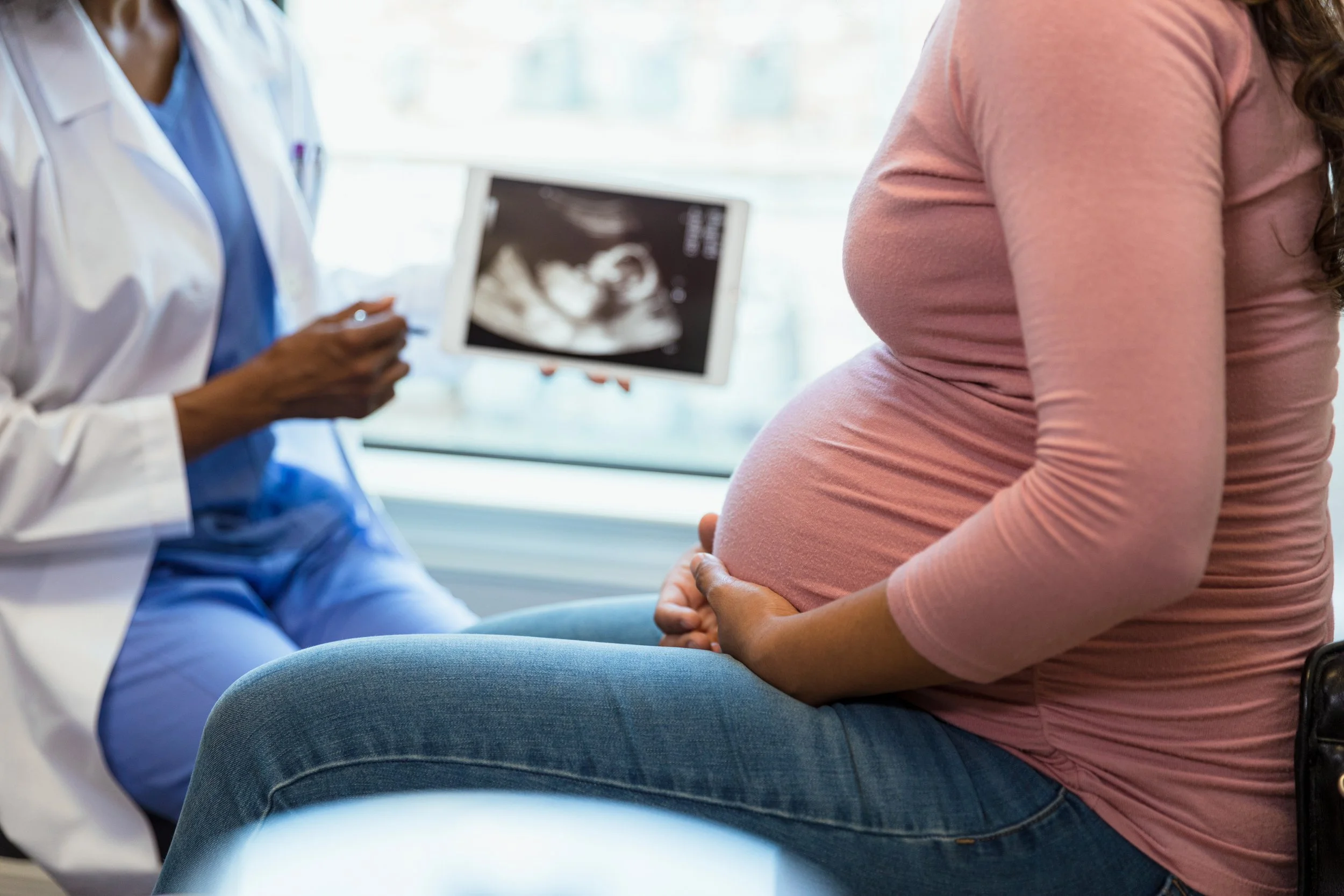
Language and cultural barriers limit access to prenatal care for many migrant women. (Photo credit: SDI Productions)
Pregnancy can be an overwhelming experience, especially for immigrant women who face several obstacles to health care.
Language barriers, limited access to health insurance, immigration status, cultural differences, and fear of discrimination can complicate the experience of motherhood for many immigrant women.
Many women begin their pregnancies without clear information about where to receive prenatal care or what steps to take during the first few months. For Latina immigrant mothers, information is even scarcer. In Philadelphia, Hispanic mothers accounted for 23% of births between 2020 and 2024, with 21,544 births registered during that period, according to data from the city's Department of Health. While this figure does not specify how many are Latina immigrants, it serves as a statistical reference point for Latina mothers in the city.*
First steps for a healthy pregnancy
The first step is to seek medical care. Depending on the level of care that is needed, one can receive care from a range of professionals such as an obstetrician-gynecologist (OB/GYN), a family physician, or a certified midwife. These professionals are trained to provide care throughout pregnancy and childbirth.
The schedule for prenatal visits typically includes several checkups:
Monthly, between weeks 4 and 28
Every two weeks, between weeks 28 and 36
Weekly, between weeks 36 and 41
This schedule will vary depending on the needs of each pregnancy, so the first appointment should be scheduled as early as possible.
There are important considerations when choosing a doctor or health care center, such as:
Does the provider accept your health insurance? (If applicable)
Is the hospital or maternity center accessible to you?
Does the staff speak your language or provide interpretation services?
Do the providers respect your cultural beliefs regarding pregnancy and childbirth?
The first visit with one’s healthcare provider is usually the most extensive. The provider may order an ultrasound to confirm the pregnancy and estimate the due date. They will often order laboratory testing to check for possible infections and anemia, and to determine the mother’s blood type. They will also check blood pressure.
It’s important to share relevant medical history, including any previous pregnancies, medications, hereditary health conditions, type of work, and products such as cosmetics and cleaning products.
At this stage, the healthcare provider may also offer recommendations regarding diet, physical activity, and prenatal vitamins, especially ones containing folic acid.
*This figure varies because the data does not specify how many are Latina migrants, and the term "Hispanic" includes Spanish women but excludes Brazilians and other Caribbean nationalities. We have taken into account that the overall Latino population is numerically larger than the Spanish population and that it grew by more than 252,000 people up to 2022, using this data as a reference.Seeking: Welcoming support
Many immigrant mothers-to-be face difficulty finding adequate medical services. To combat this, Philadelphia offers a variety of community organizations and health centers that provide care by bilingual experts, culturally-sensitive support, and guidance during the pregnancy and postpartum period.
Being a mother, a migrant, and far from a family network can make pregnancy more challenging, but there are programs and resources in the city designed to support you and help mothers enjoy this new chapter of life.
A reminder for immigrant expecting mothers
Philly has organizations, health centers, and programs that are actively working to support migrant mothers during pregnancy, childbirth, and their babies’ first few months of life. Seeking information and support during pregnancy is not an unreasonable request. It is part of your right to experience motherhood with safety, respect, and support.
A Guide to Maternal Health Centers and Resources in Philadelphia
Offers prenatal and postpartum care, health exams, family planning, and a Contigo, a doula service.
📍 Hunting Park and Kensington
📞 215-302-3600
Available with or without an appointment
Offers medical and dental services catered to the Latino immigrant community, including women's health care.
📞 215-454-8000
Call in advance for an appointment.
Maria de los Santos Women’s Health Center (Delaware Valley Community Health)
Bilingual prenatal care, gynecology, and obstetrics services for women in North Philadelphia.
Offers a variety of services for expecting families, including:
Prenatal and postpartum education Congreso Health Center
Lactation consulting Breastfeeding Program
Support group for mothers
Text “parenting” or “padres” to 📞 215-914-3755.
Congreso uses Language Line for spanish, portuguese, and creole-speaking clients
Maternity Care Coalition (MCC)
Works to reduce racial and social disparities when it comes to maternal health. Programs include:
Home Visiting
Support for families from pregnancy through the child’s third birthday.
📞: (215) 972-0700
Community Doula & Lactation Program
Connects families to doulas and lactation specialists.
Servicios de salud mental perinatal
services include individual and family therapy for mothers dealing with stress, trauma, substance use, or postpartum depression.
📞 215-972-0700, ext. 2
Philadelphia Department of health resources
The city's health centers accept Medicare, Medicaid, and most insurance plans. They can also help you apply for health insurance if you don't have coverage. Services include: Philadelphia Department of health
physical and genetic screenings
blood tests
ultrasounds
Other avenues for help
Healthy Start
Supports pregnant women and mothers who have infants under 18 months old.
📞 215-386-1298
Connects families with home visitation programs, case management, and community resources.
📞 215-685-4701
Community Doula Support Program
Offers free doula services during pregnancy, childbirth, and up to 12 months postpartum.
📞 215-685-5269
📧 doulasupportprogram@phila.gov
Provides nutritional support for pregnant women, infants, and children who meet the eligibility criteria.
📞 215-978-6100
A note to our immigrant readers:
The services mentioned in this guide are available to Philadelphia residents, regardless of their immigration status. We recommend checking the eligibility requirements for each program directly with the relevant organization.
This article was written by a journalist for Inti Media and edited with the assistance of artificial intelligence.
This content is part of the Empowering Madres Latinas, a multilingual media campaign uplifting the stories, voices, and organizing power of immigrant mothers in Philadelphia. This initiative is produced in collaboration with Centro Integral de la Mujer Madre Tierra through the 2025 Leeway Media Artists + Activist Residency Program. This campaign serves as the community engagement piece of the upcoming documentary Immigrant Mothers Tell Their Stories.