
How Philadelphia has prepared for FIFA World Cup 2026: Community, local businesses, and a month-long Fan Fest
Philadelphia Soccer 2026 CEO Meg Kane recently joined NAHJ Philly leadership to discuss how the city is turning the World Cup into a win for residents, small businesses, and neighborhoods.
By Jensen Toussaint. On May 29, 2026. Edited by Nigel Thompson.
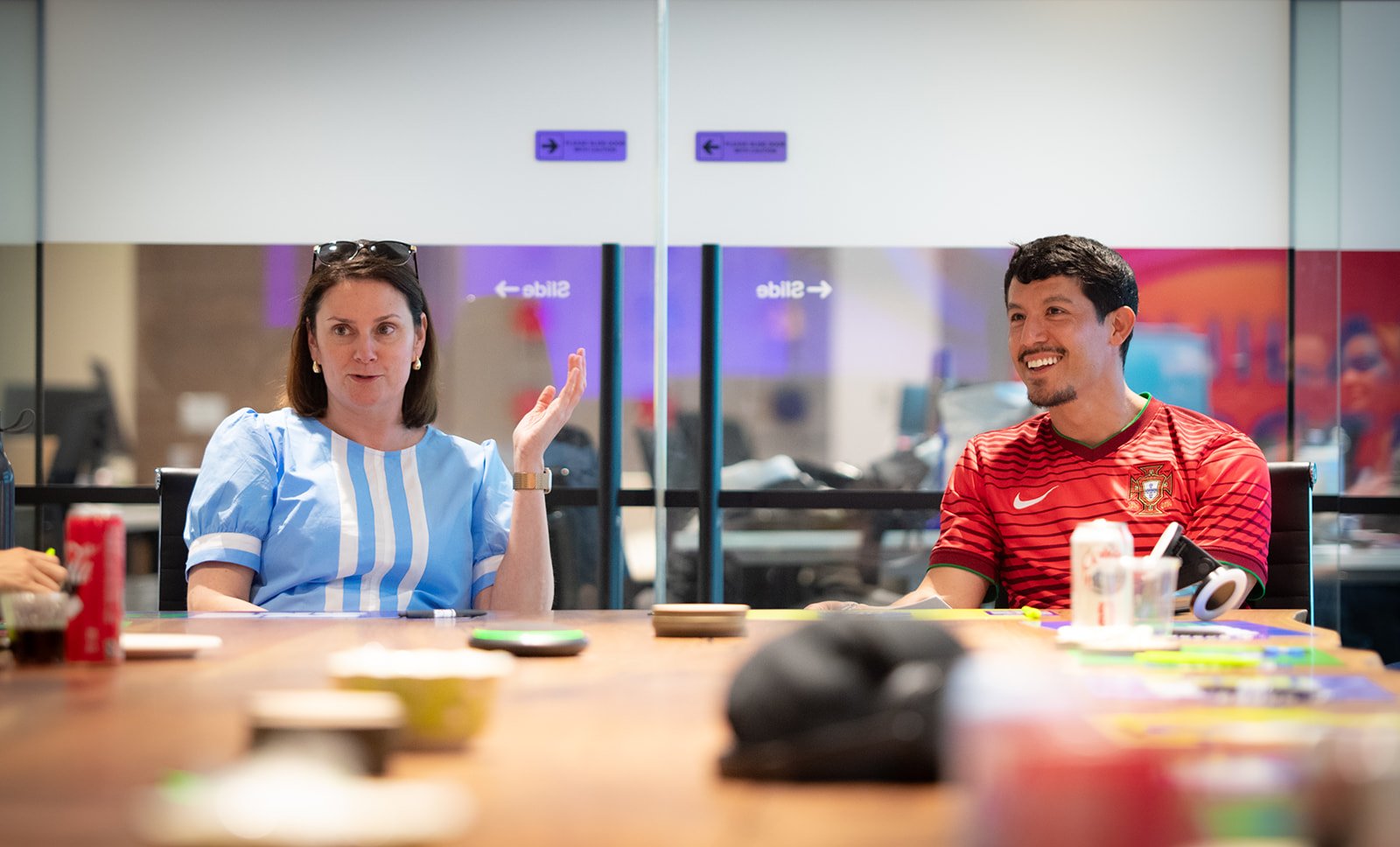
Philadelphia Soccer CEO Meg Kane spoke about a variety of topics related to the upcoming FIFA World Cup in Philadelphia, including the Fan Festival, how media can apply to cover, and how local businesses can partake. Credit: @melquiphotographer.
With just a few weeks to go before the 2026 FIFA World Cup arrives in Philadelphia, local organizers have been preparing for what is shaping up to be one of the city’s largest and most transformative sporting events ever.
With one of the world’s biggest sports spectacles in town, organizers said there will be ample opportunities for local media professionals, freelancers, content creators, and more to cover games and all the surrounding festivities.
This was a major talking point at a recent NAHJ Philly event featuring a conversation with Philadelphia Soccer 2026 President, CEO, and Host City Executive Meg Kane.
“This is a city that doesn’t know yet what is coming to it,” Kane said during the discussion with NAHJ Philly President Martin Alfaro. “I don’t think people realize how big of a deal the World Cup is until it comes here.”
A 39-day fan festival for all
While FIFA is in charge of handling media credentialing for the World Cup games at Lincoln Financial Field, local media looking to cover the World Cup will be best served to do so at the upcoming FIFA Fan Festival in Lemon Hill.
The Fan Fest will run from June 11 through July 19, 2026.
“We are the only U.S. city in the country doing a 39-day fan festival, open every single day of the tournament, free,” Kane said. “There’s going to be something different every day.”
This includes a variety of events, performances, activations, and more.
Kane added that the Fan Fest will be equipped with workstations, Wi-Fi, camera platforms, and more for journalists and broadcasters looking to cover the tournament.
Media looking to cover the happenings of the FIFA Fan Festival can apply here.
Like many large-scale events that come to the city, the FIFA World Cup will serve as an opportunity for Philadelphians to showcase their pride and put their city on the world stage.
The Fan Fest is key to that mission because it allows those who can’t attend any of the six tournament matches in the city at Lincoln Financial Field to still enjoy the excitement they bring to the city.
“We really wanted, as a local organizing committee, to ensure that we were able to provide a World Cup experience to everyone who wanted it,” said Kane, adding that the goal is to make the World Cup experience accessible to everyone.
Community engagement, economic impact as core values
The planning around the FIFA World Cup was a strategy that placed the community at the center.
Kane acknowledged that large-scale events often create the perception that they are more tailored for tourists, corporations, or wealthier attendees as opposed to local residents.
“One of the biggest critiques that we often hear — no matter what the big event is — is that the residents don’t feel part of it,” she said.
The idea is to make the World Cup a part of the city during the month-plus tenure of the tournament, rather than allowing it to overwhelm daily life for residents.
“We didn’t want residents’ lives to be interrupted,” Kane added. “The city must continue.”
The committee has strived to do this by ensuring SEPTA remains running and without increased fares. Residents can also still enjoy other neighborhood events, and the World Cup matches will be strategically played during the evening, so local businesses can still operate.
The latter is critically important for both brick-and-mortar businesses and other businesses like food trucks that can benefit from the economic impact of the tournament coming to the city.
Interested vendors can apply here.
Kane noted that the economic impact generated from the World Cup “are built off of what is a regular day plus.”
Therefore, the more the city can operate under a business-as-usual approach, the larger the subsequent economic impact can be.
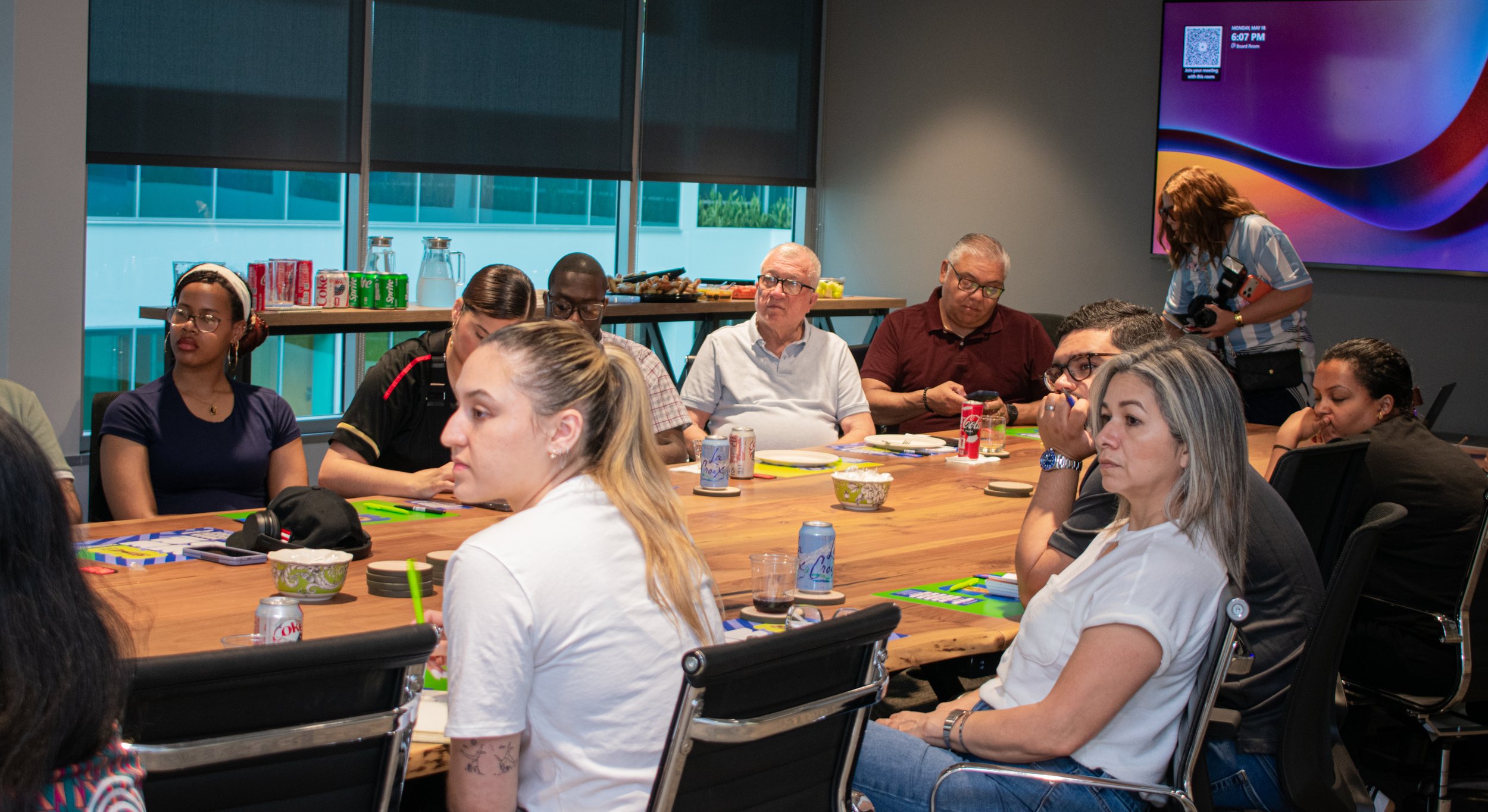
Journalists and Philadelphia residents will have many opportunities to be a part of the FIFA World Cup. Credit: @melquiphotographer.
Social impact has been another key ingredient in the planning process.
Whether it was helping address the exorbitant price of the tickets or the various concerns of residents, Philadelphia Soccer has been laser-focused on ensuring residents and visitors alike are able to enjoy not only the matches, but everything else surrounding the World Cup.
While Kane said that the World Cup won’t solve Philadelphia’s biggest challenges on its own, it can alternatively amplify the community organizations and resources that already exist.
“It can help us identify small businesses and local businesses that can benefit from economic impact,” she added.
The Fan Fest will strategically feature more than 80 Philadelphia-based vendors, food trucks, and creatives that Kane said “really highlights the small businesses that are the engine that make us go.”
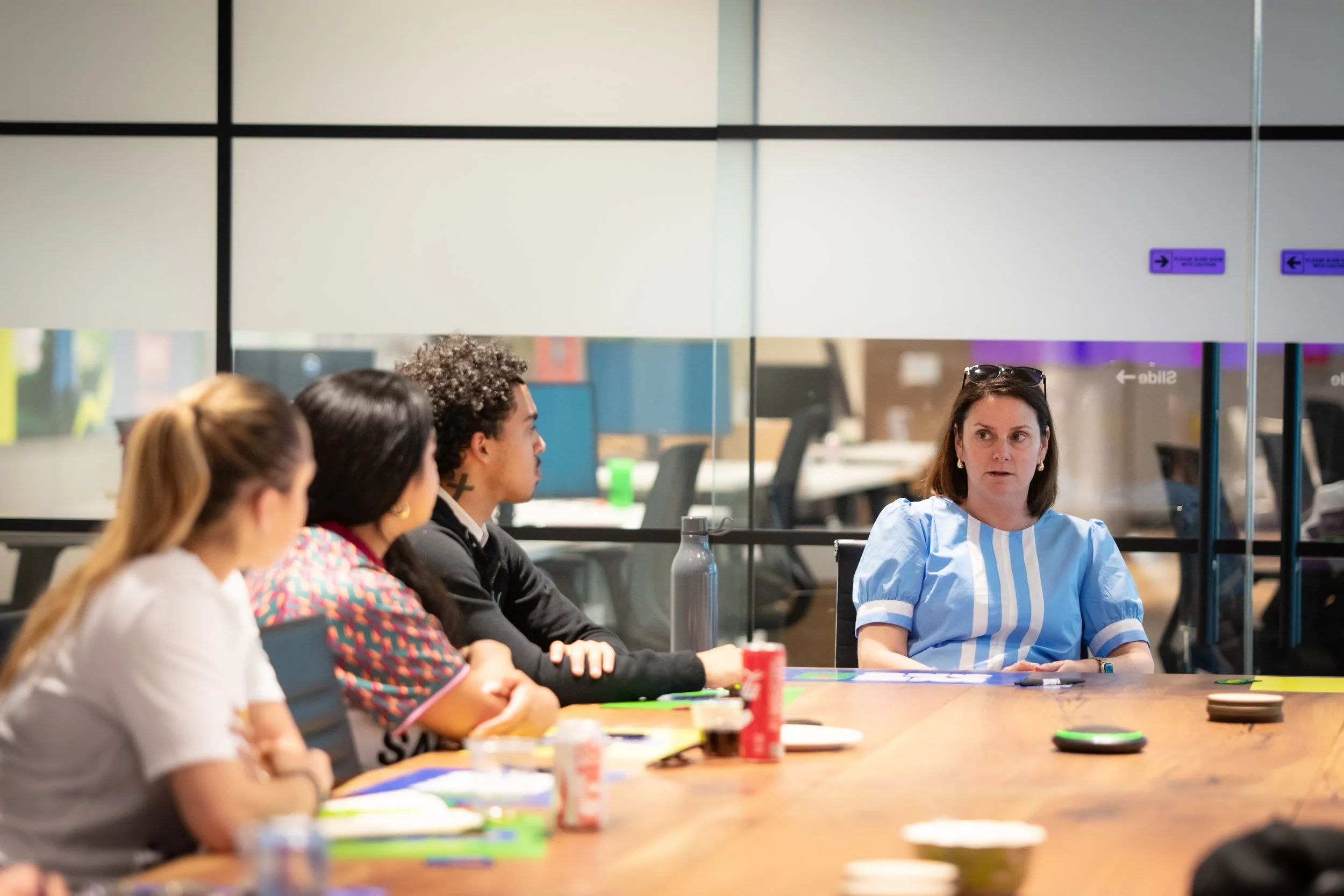
Meg Kane doesn't want the World Cup to just come and go without the city using it as a catapult for bigger events down the road. Credit: @melquiphotographer.
Ranking success and a look ahead
Hosting such a large-scale event is a privilege for any city. However, it’s also a big responsibility.
As Kane reflected on the years of planning and preparation it took to get to this point, she also couldn’t help but think about what’s still ahead.
“The only question that we should be asking ourselves on July 20, 2026, is: ‘what’s next?’”
She and her team at Philadelphia Soccer 2026 are hopeful that the World Cup will leave behind far more than packed stadiums and international attention.
The tournament can instead be a catalyst for future events and help reshape Philadelphia as a city that is among the best equipped to host events when they come to the surface.
“Big events are not meant to be a moment in time. They are meant to be an accelerator,” said Kane.